Metabolic & Incretin Pathway
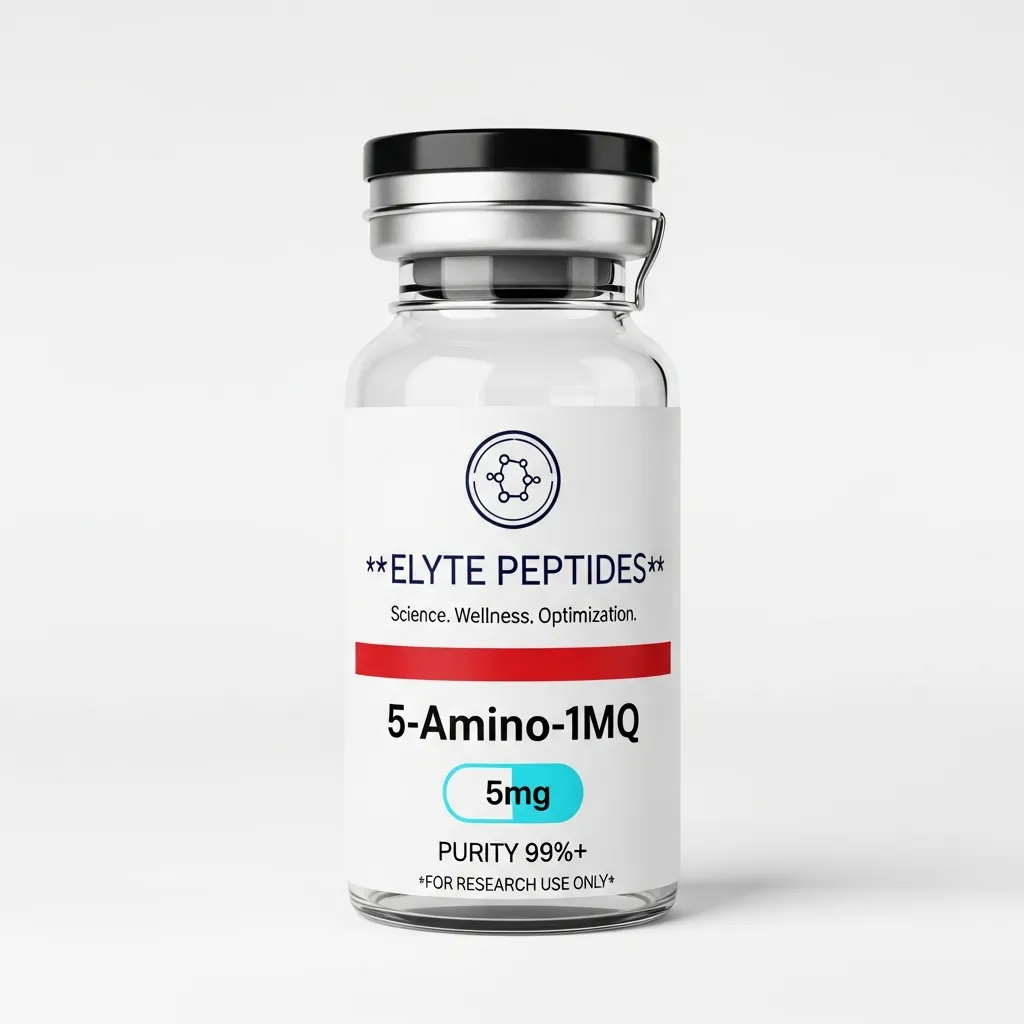
5-Amino-1MQ
5mg · 50mgNNMT modulator for metabolic and metabolic-pathway research.
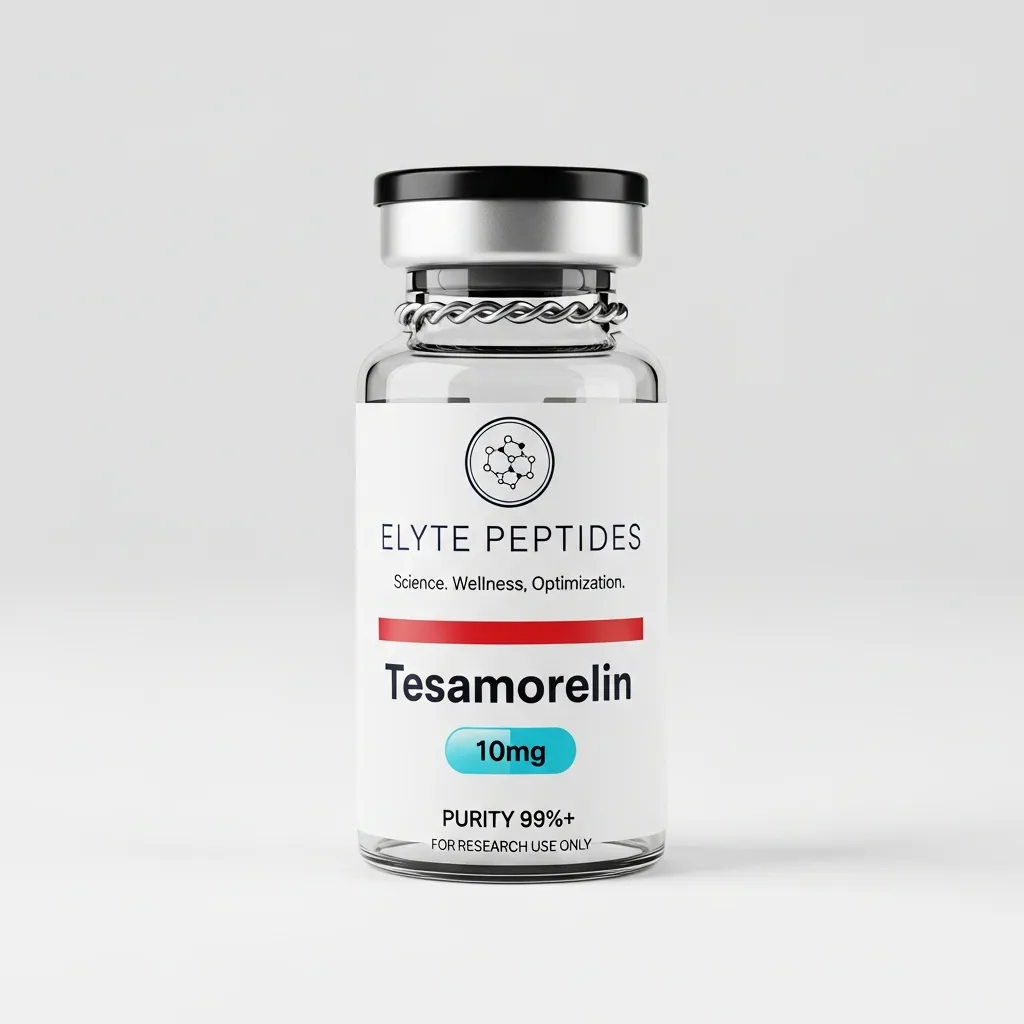
Tesamorelin
5mg · 10mgSynthetic GHRH analogue studied for visceral fat reduction and metabolic health.
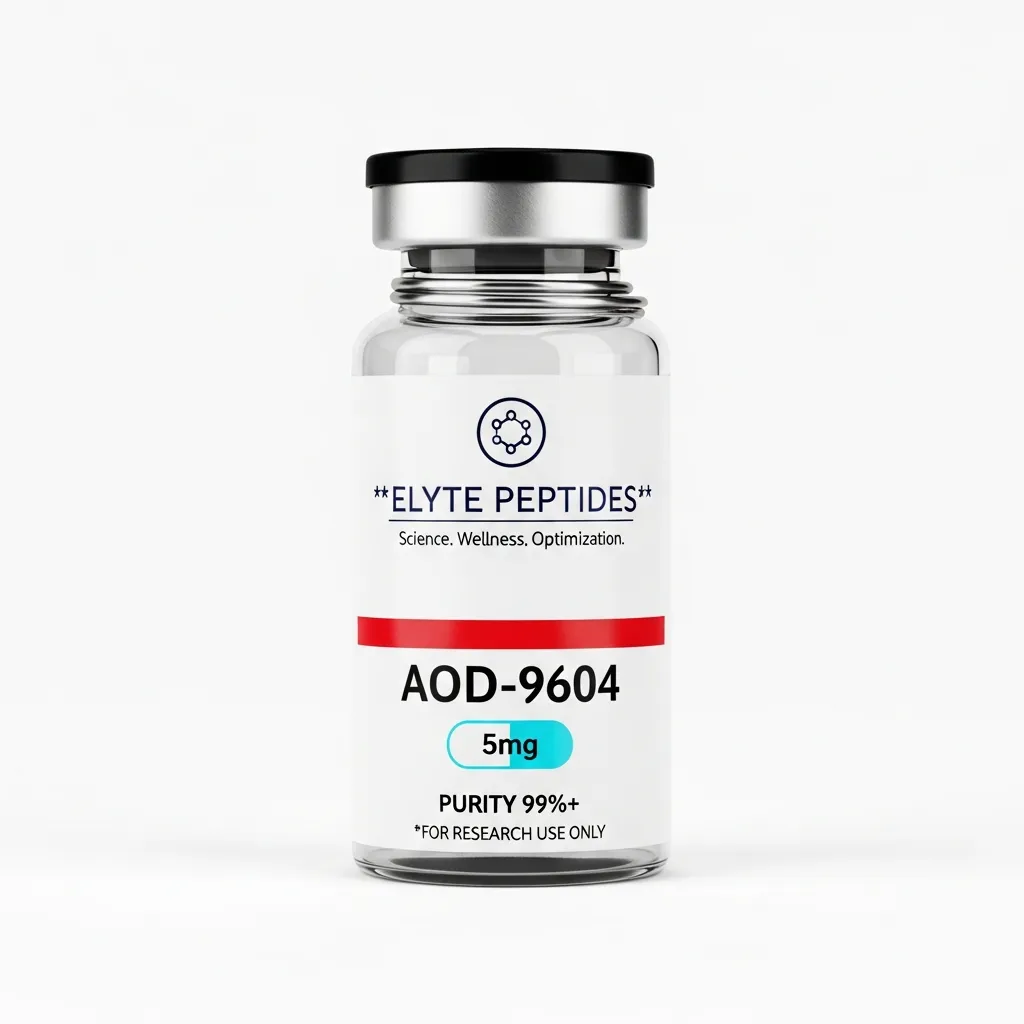
AOD-9604
5mgSynthetic hGH fragment 176-191 analogue for lipid metabolism research.
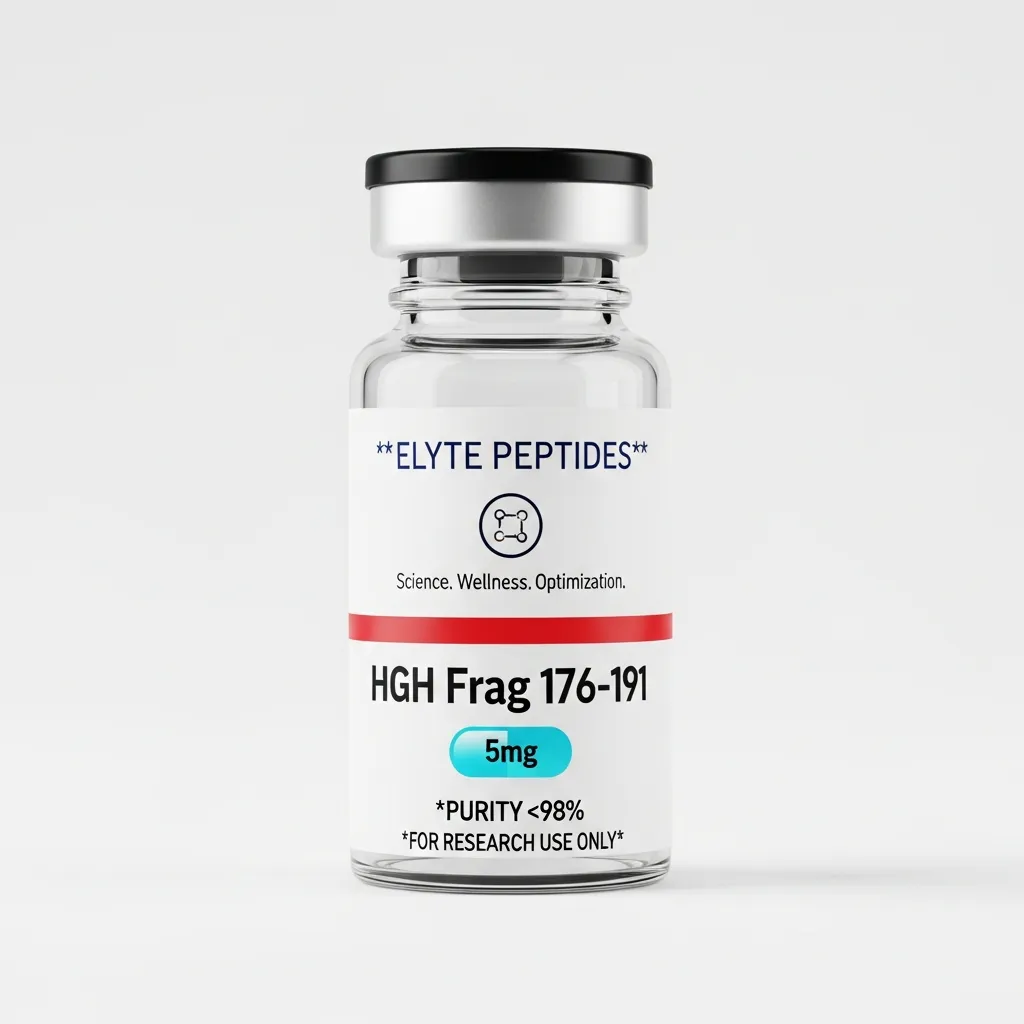
HGH Frag 176-191
5mgHGH Fragment 176-191 is a synthetic C-terminal fragment of human growth hormone studied for lipolytic activity...
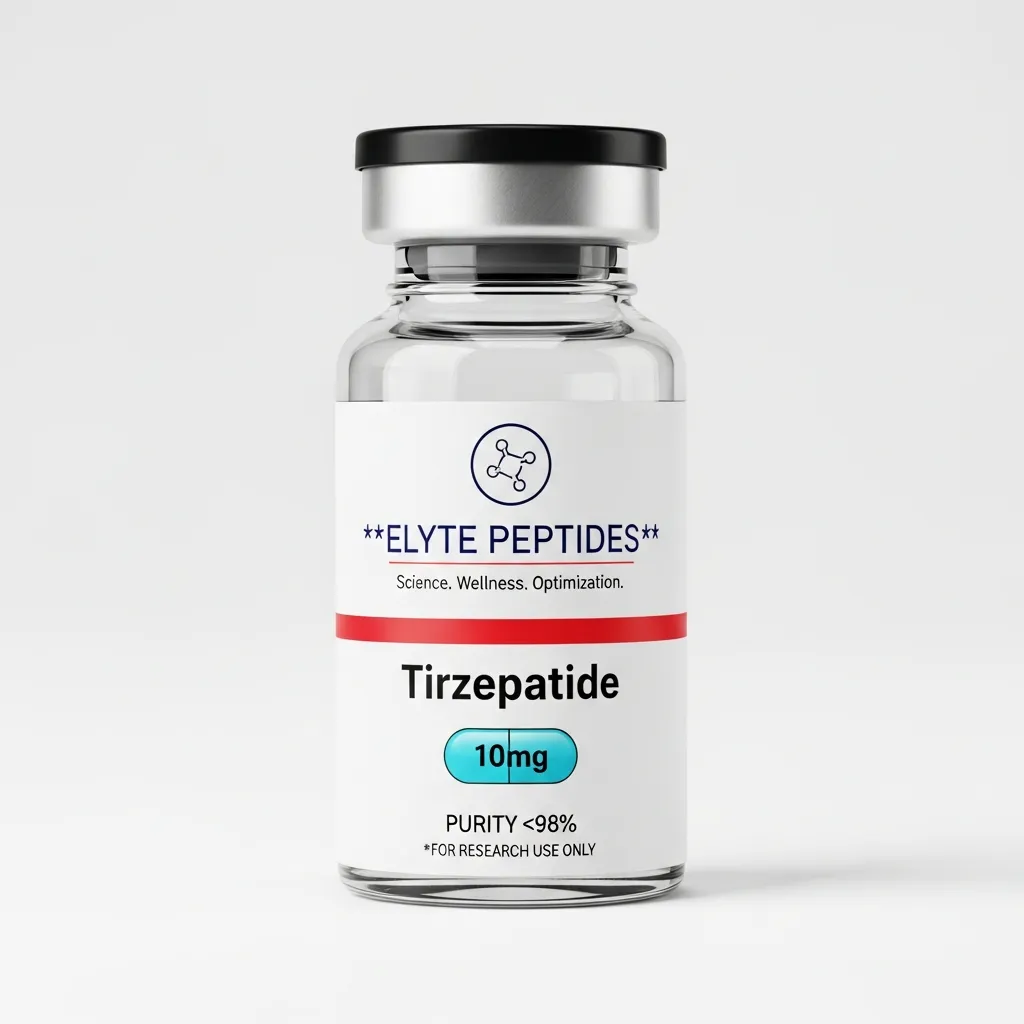
Tirzepatide
10mg–60mgTirzepatide is a dual GIP and GLP-1 receptor agonist peptide studied for metabolic, glycemic, and body-composi...
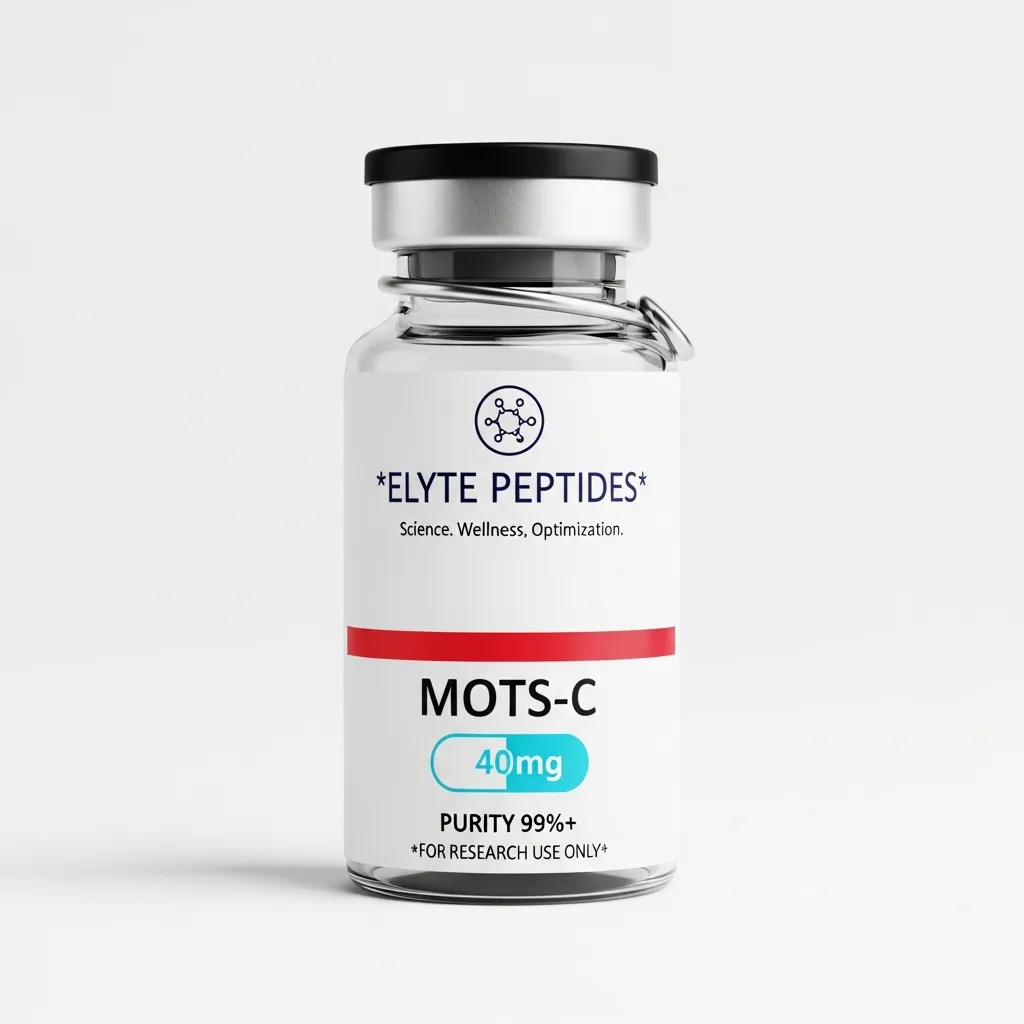
MOTS-C
10mg · 40mgMitochondrial-derived peptide for metabolic regulation and cellular energy research.
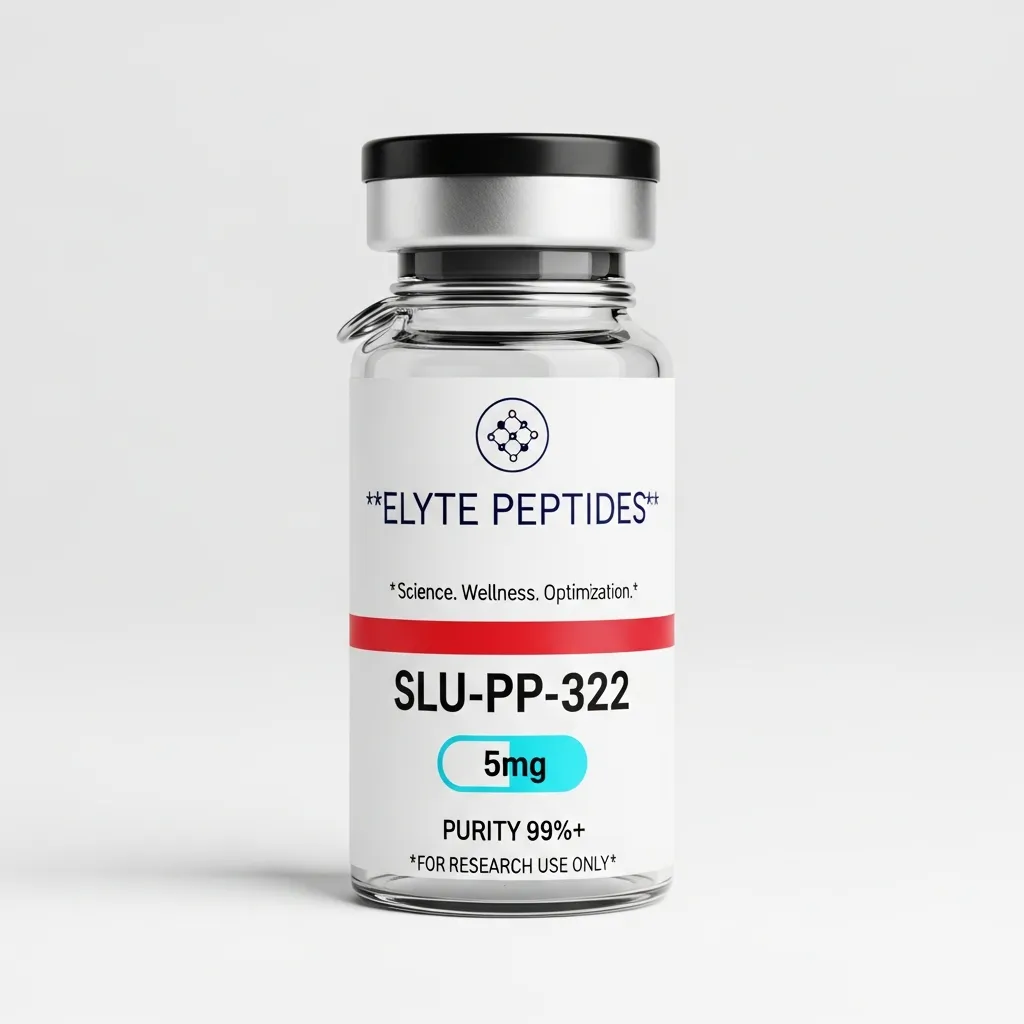
SLU-PP-332
5mgSynthetic research peptide for neuromodulatory and metabolic studies.
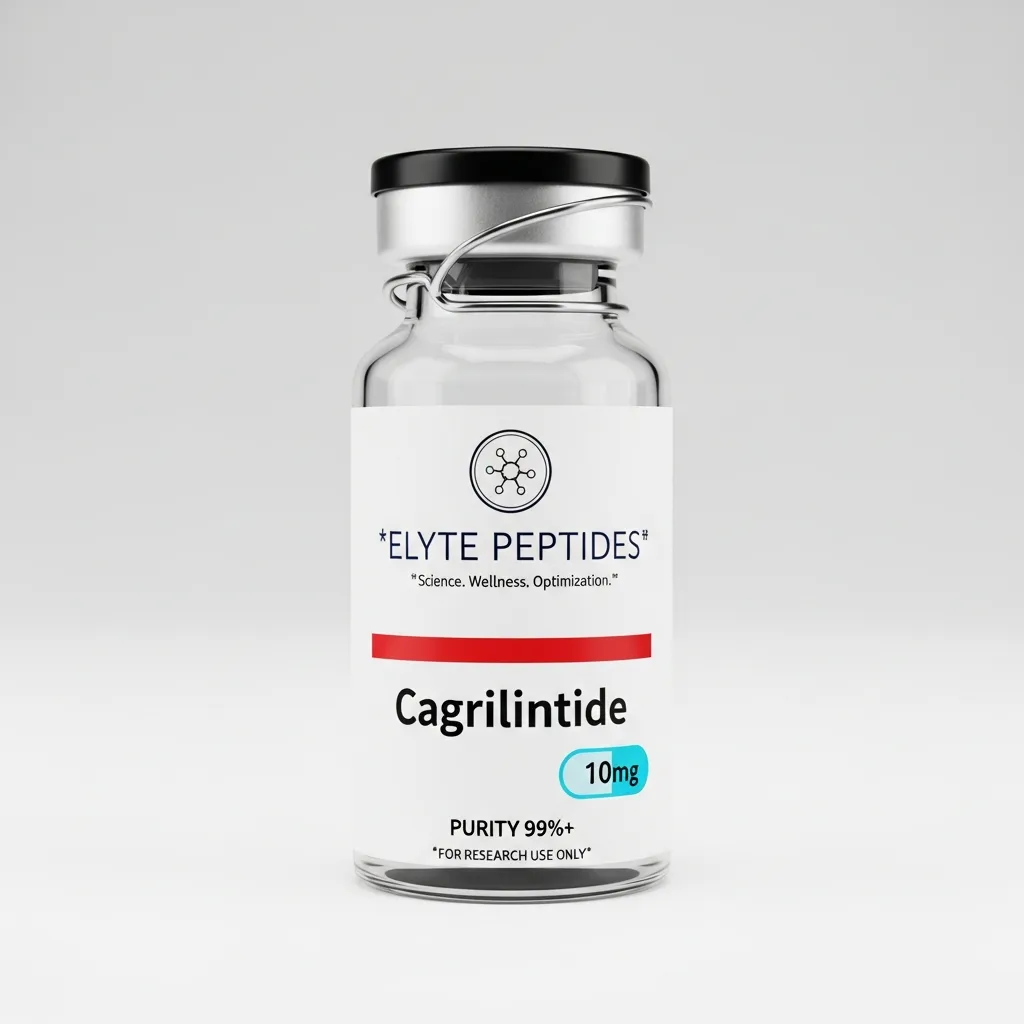
Cagrilintide
10mgLong-acting synthetic amylin analogue for obesity and metabolic research.
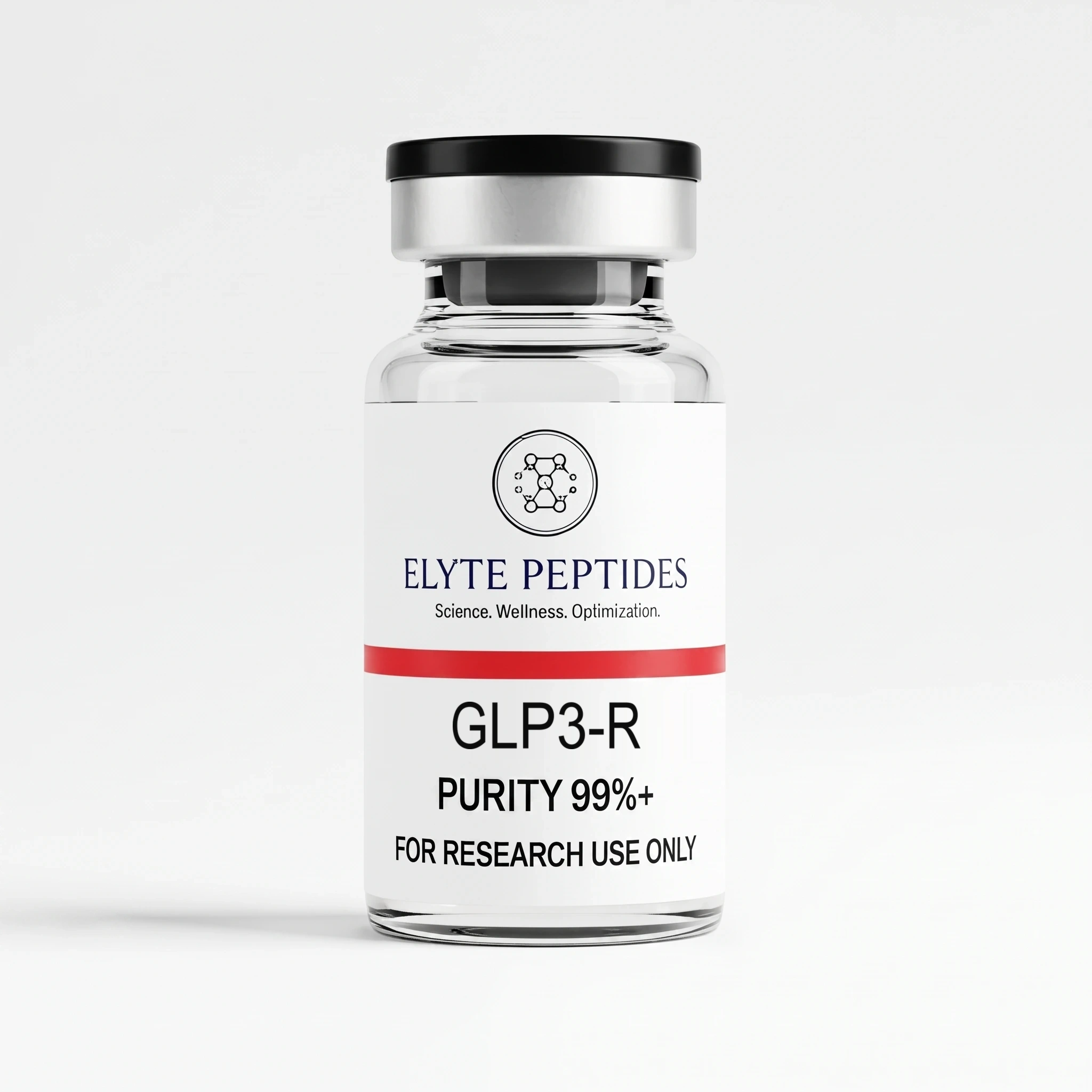
GLP3-R
5mg–60mgTriple-agonist research peptide targeting GIP, GLP-1, and glucagon receptors for advanced metabolic studies.
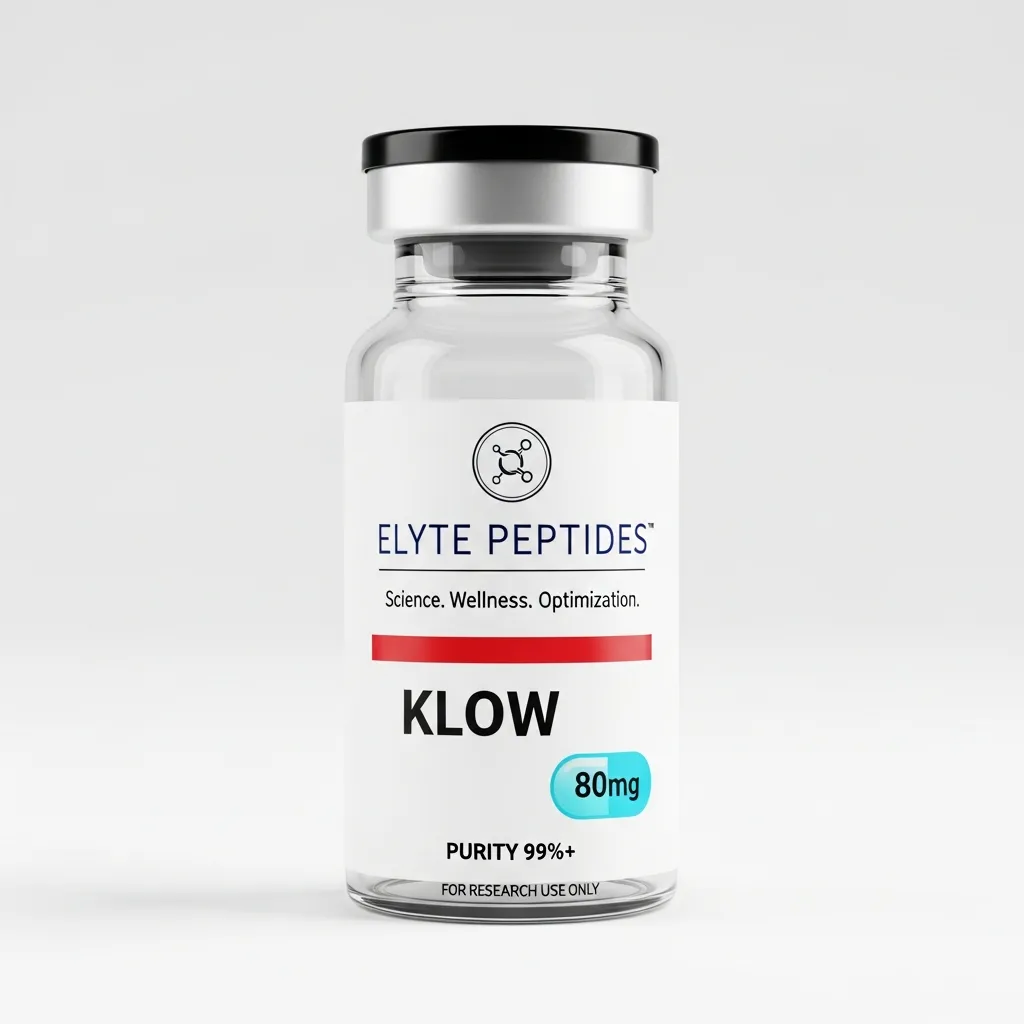
KLOW
80mgProprietary peptide blend for neuroprotection and mitochondrial support research.
About Metabolic & Incretin Pathway Research Peptides
This collection covers incretin and metabolic-pathway research peptides: triple-agonist compounds targeting GIP, GLP-1, and glucagon receptors, synthetic amylin analogues, and GHRH fragments, plus 5-Amino-1MQ, a small-molecule NNMT inhibitor studied in cellular-energy and NAD+ pathway research. Compounds are studied in glucose-regulation, insulin-signaling, and lipid-metabolism models. Every item is third-party tested to ≥98% HPLC purity and shipped lyophilized from our US facility. For laboratory research use only.
Metabolic & Incretin Pathway — Frequently Asked Questions
What compounds are in the metabolic and incretin category?
This collection covers triple-agonist compounds targeting GIP, GLP-1 and glucagon receptors, synthetic amylin analogues, GHRH fragments, and 5-Amino-1MQ, a small-molecule NNMT inhibitor studied in cellular-energy and NAD+ pathway work. All are supplied as lyophilized powder for laboratory research use only.
What research models are incretin peptides studied in?
Laboratories study these compounds in glucose-regulation, insulin-signaling and lipid-metabolism models. Published receptor-binding and pathway data support in-vitro and preclinical characterization. They are not approved for human or veterinary use.
What purity standard do these compounds meet?
Every compound is third-party tested to a minimum 98% HPLC purity benchmark, with identity confirmed by mass spectrometry. A lot-specific certificate of analysis ships with each order and past certificates are published in the public COA library.