Tissue Repair & Regeneration
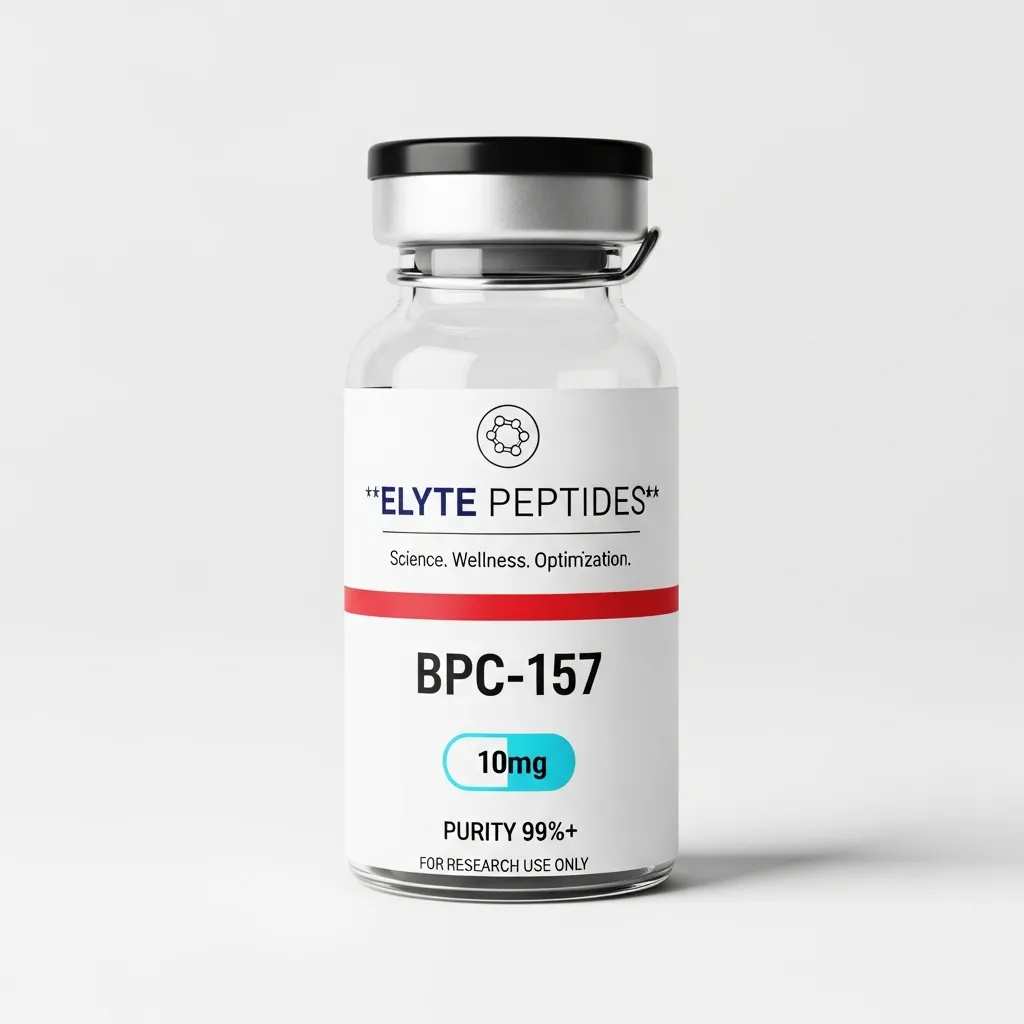
BPC-157
5mg · 10mgGastric pentadecapeptide for tissue regeneration and wound healing research.
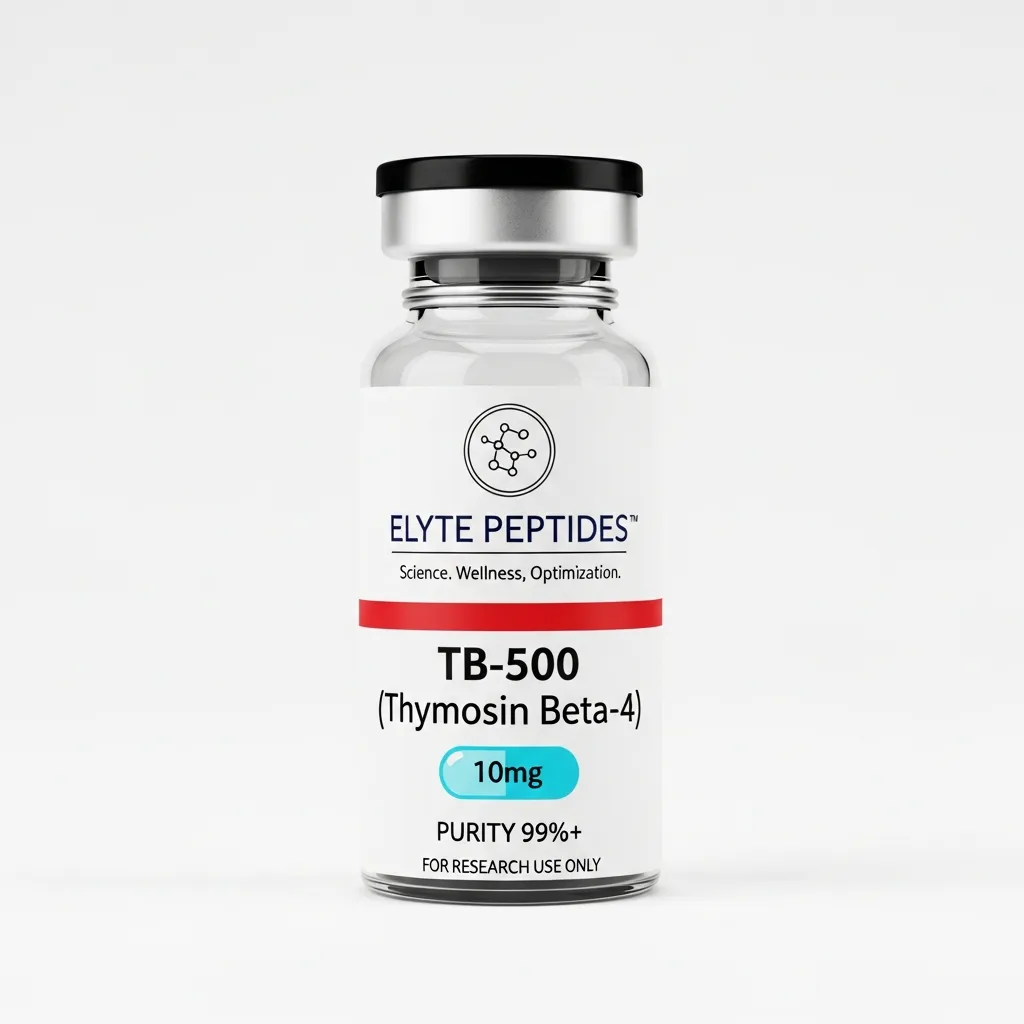
TB-500
10mgSynthetic 43-amino acid peptide for tissue repair and anti-inflammatory research.
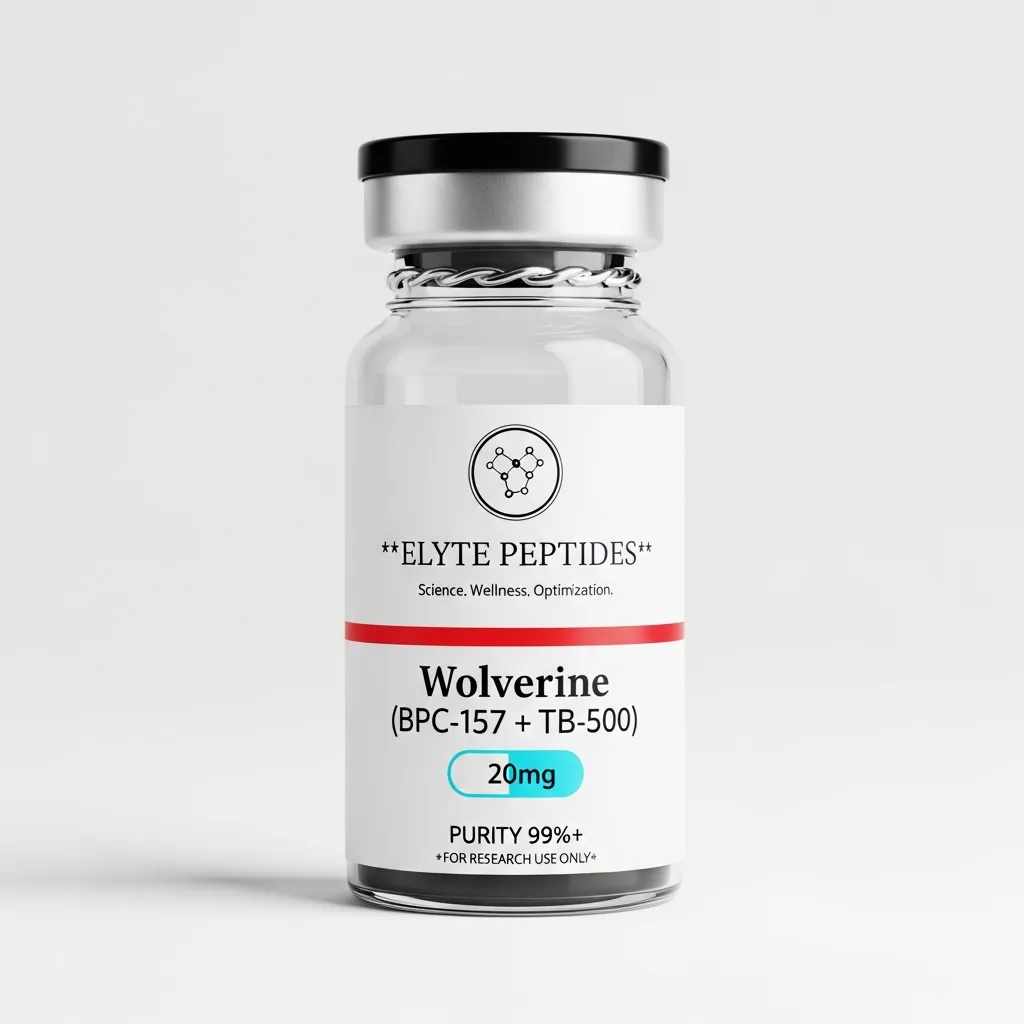
Wolverine Blend (TB-500 + BPC-157)
20mgDual-peptide recovery stack combining BPC-157 and TB-500 for accelerated tissue repair research.
About Tissue Repair & Regeneration Research Peptides
Tissue-repair and regeneration research peptides studied for their roles in collagen synthesis, tendon and ligament ECM remodeling, gastric mucosal protection, and angiogenesis. Used in laboratories investigating connective-tissue remodeling and inflammatory-pathway signaling. Third-party tested to ≥98% HPLC purity. For laboratory research use only.
Tissue Repair & Regeneration — Frequently Asked Questions
What compounds are in the tissue repair category?
This collection covers peptides studied for their roles in collagen synthesis, tendon and ligament ECM remodeling, gastric mucosal protection and angiogenesis. Each ships as lyophilized powder for laboratory research use only.
What pathways are tissue-repair peptides studied in?
Laboratories investigate connective-tissue remodeling, extracellular-matrix turnover and inflammatory-pathway signaling. Work is carried out in in-vitro and preclinical models rather than human subjects.
How should these peptides be stored?
Store lyophilized vials at -20C for long-term storage or 2-8C for short-term handling, protected from light and moisture. After reconstitution, hold at 2-8C and avoid repeated freeze-thaw cycles.