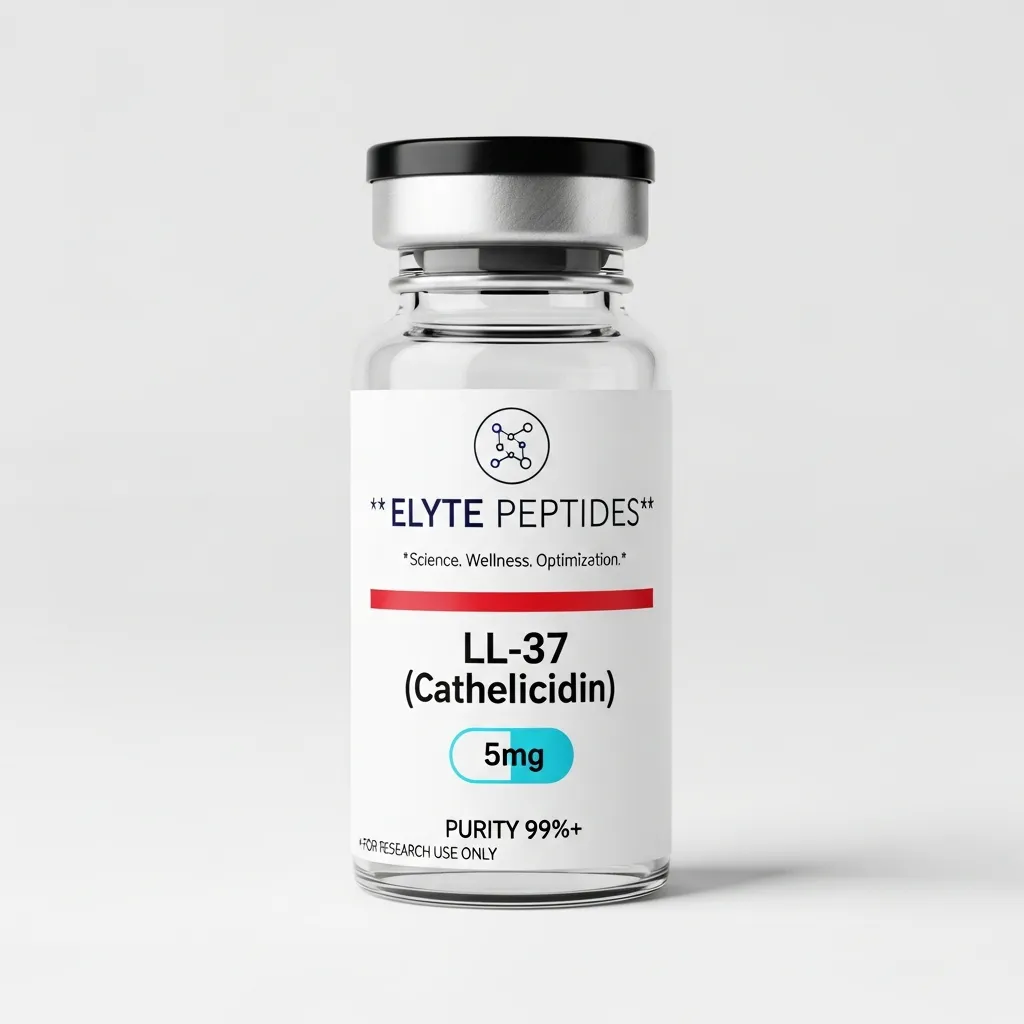
LL-37 (Cathelicidin)
Cationic antimicrobial peptide for immune and wound healing research.
Description
Cationic antimicrobial peptide for immune and wound healing research.
LL-37, also known as cathelicidin, is a 37-amino acid cationic antimicrobial peptide (AMP) derived from the C-terminal cleavage of human cathelicidin precursor protein hCAP18. It is the only cathelicidin-derived AMP found in humans and is expressed by neutrophils, epithelial cells, and macrophages. LL-37 kills pathogens through electrostatic interaction with negatively charged microbial membranes, forming toroidal pores that compromise membrane integrity. Beyond direct antimicrobial activity, it modulates innate immunity by acting as a chemoattractant, promoting angiogenesis, and neutralizing bacterial endotoxin (LPS). Research by Zanetti (2004) in Journal of Leukocyte Biology provided a comprehensive characterization of cathelicidin biology and LL-37's multifunctional role in innate defense. Studies in The Journal of Immunology demonstrated that LL-37 exhibited broad-spectrum activity against gram-positive bacteria, gram-negative bacteria, fungi, and enveloped viruses, with minimum inhibitory concentrations in the low micromolar range. Heilborn et al. published findings in Journal of Investigative Dermatology showing that LL-37 expression was significantly reduced in chronic wound beds, and exogenous application promoted re-epithelialization in wound models. Compared to other antimicrobial peptides like defensins (HBD-1, HBD-2), LL-37 has a broader spectrum of activity and more pronounced immunomodulatory effects. Unlike conventional antibiotics, LL-37's membrane-disrupting mechanism makes resistance development unlikely, an increasingly important consideration in antimicrobial research. Store lyophilized LL-37 at -20°C, protected from moisture. Reconstitute with sterile bacteriostatic water and keep at 2-8°C, using within 3 weeks due to potential aggregation. LL-37 is studied by infectious disease researchers, wound healing scientists, immunologists, and antimicrobial resistance specialists investigating peptide-based alternatives to conventional antibiotics.
This product is supplied as a lyophilized powder and is intended for laboratory and research use only. Not for human consumption. Each vial contains 5mg of research-grade material.
Research Applications
- Antimicrobial activity against bacteria, fungi, viruses
- Inflammatory response modulation
- Wound healing and tissue repair
- Cancer immunotherapy adjuvant research
Specifications
- Size
- 5mg
- Purity
- ≥98% (HPLC)
- Form
- Lyophilized Powder
- Molecular Formula
- C205H340N50O53
- Molecular Weight
- 4493.34 g/mol
Storage & Handling
- Long-term storage: -20°C in a sealed, light-protected container
- Short-term storage: 2-8°C (refrigerated) for up to 30 days
- Reconstituted: Store at 2-8°C and use within 30 days
- Avoid: Repeated freeze-thaw cycles, direct sunlight, and moisture exposure
- Reconstitution: Use bacteriostatic water or sterile water for injection
Frequently Asked Questions
What is LL-37 (Cathelicidin) and how does it work?
What research has been done on LL-37?
How does LL-37 compare to other antimicrobial peptides like Thymosin Alpha-1?
What is the recommended reconstitution protocol for LL-37?
What purity testing is performed on LL-37?
Related Products
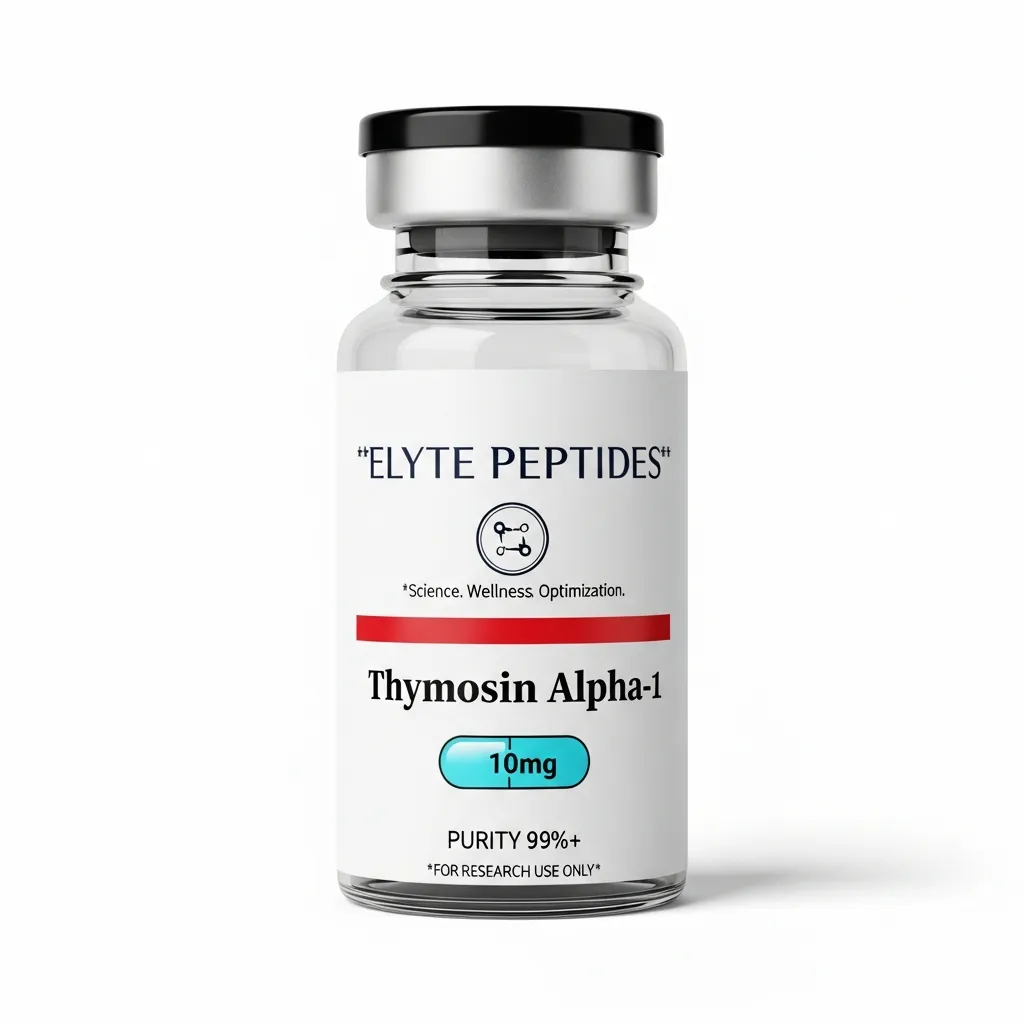
Thymosin Alpha-1
Natural immune regulator for T-cell maturation and infection research.
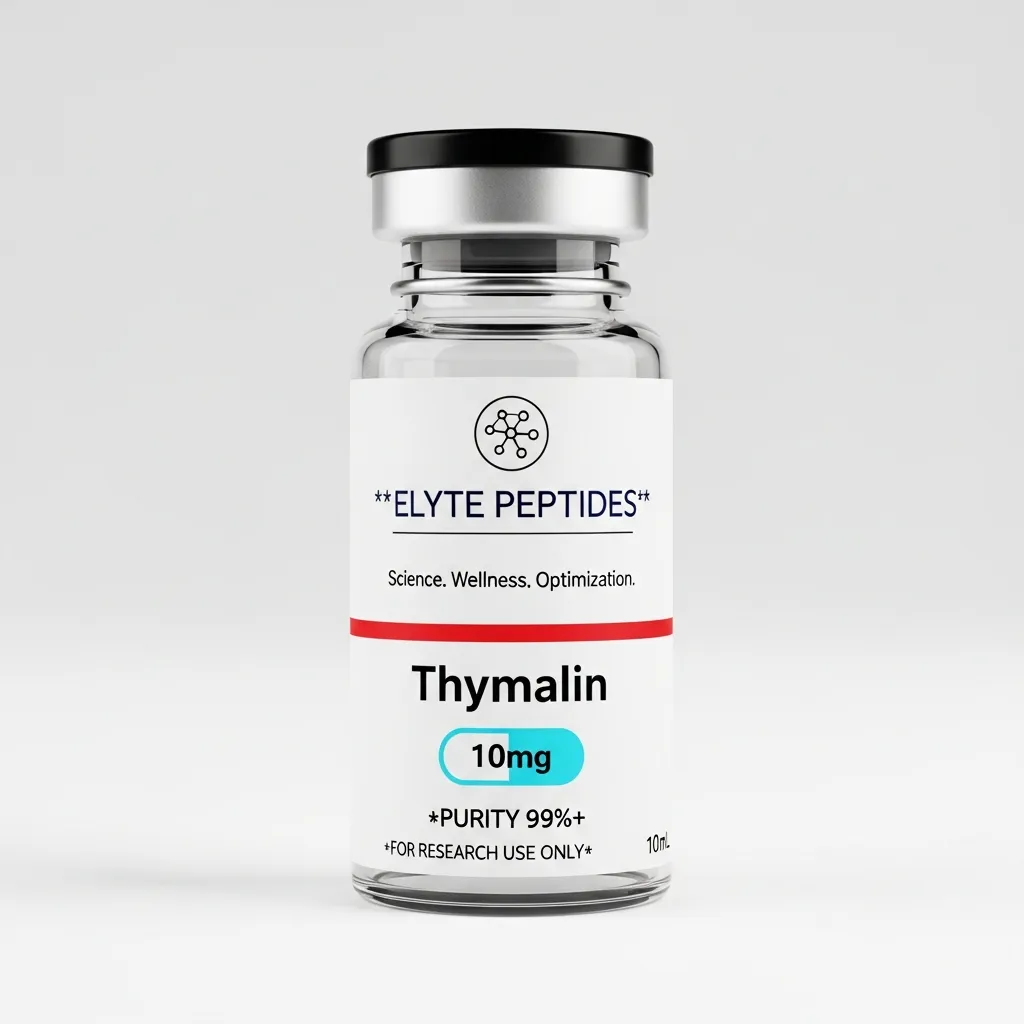
Thymalin
Thymus-derived polypeptide for immune regulation research.
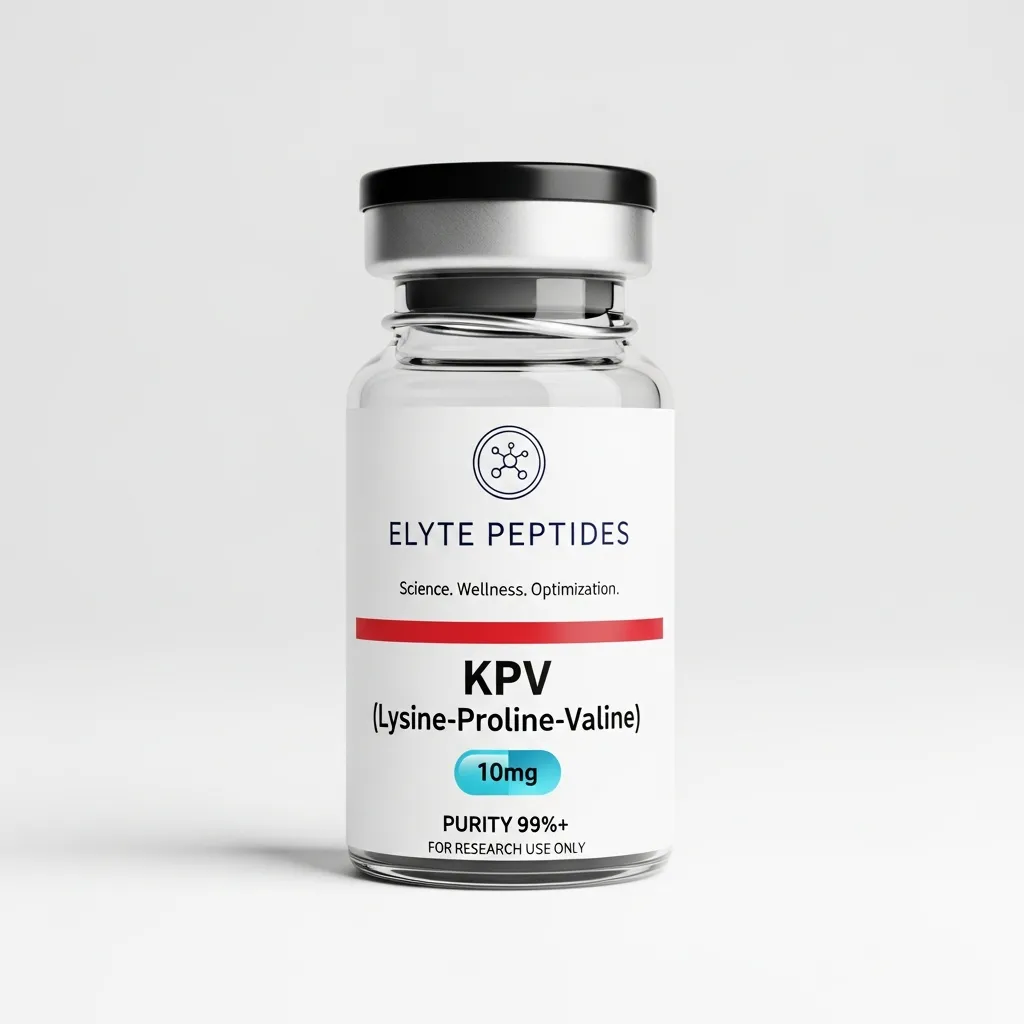
KPV (Lysine-Proline-Valine)
Alpha-MSH tripeptide fragment for anti-inflammatory and IBD research.
Research Use Only. This product is not intended for human consumption, therapeutic use, or diagnostic purposes. All peptides sold by Elyte Peptides are strictly for in-vitro research and laboratory use. By purchasing, you agree to use this product in compliance with all applicable laws and regulations.