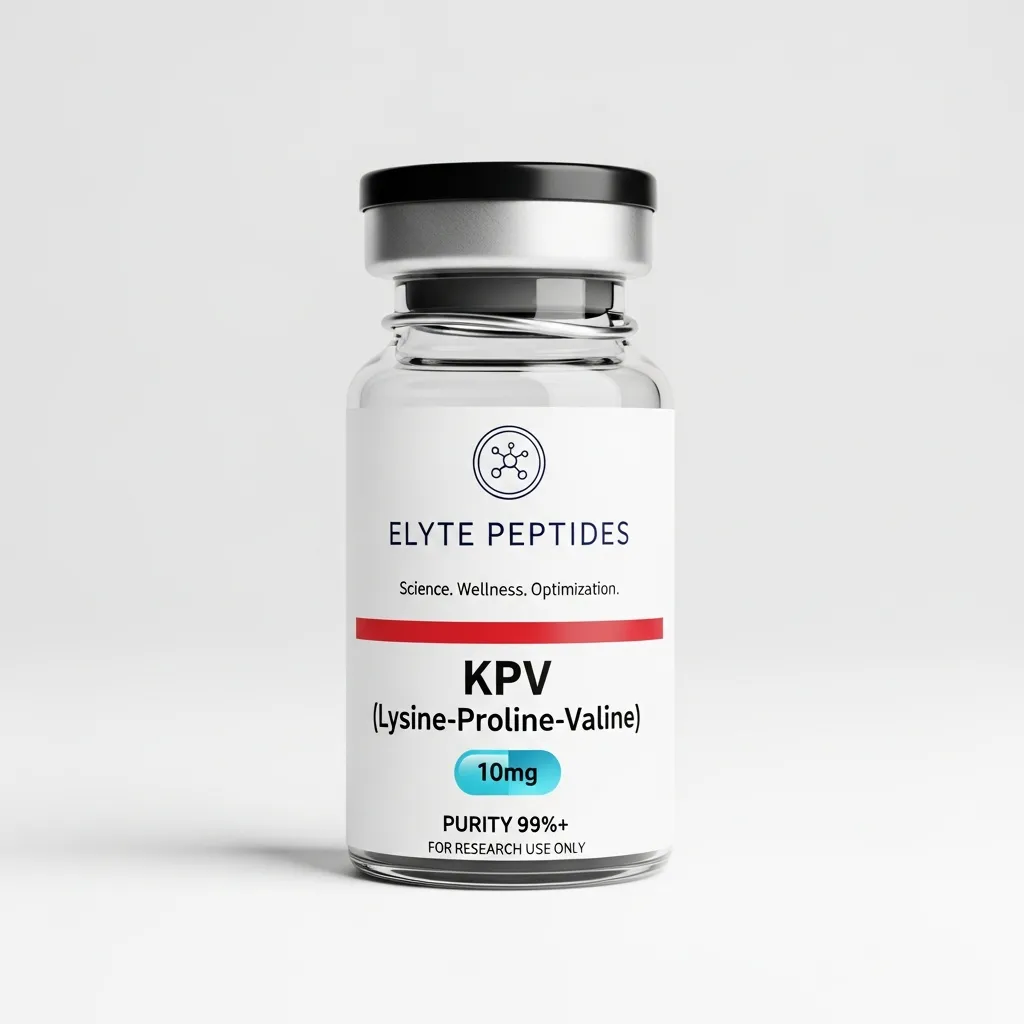
KPV (Lysine-Proline-Valine)
Alpha-MSH tripeptide fragment for anti-inflammatory and IBD research.
Description
Alpha-MSH tripeptide fragment for anti-inflammatory and IBD research.
KPV (Lysine-Proline-Valine) is a C-terminal tripeptide fragment of alpha-melanocyte-stimulating hormone (alpha-MSH), specifically positions 11-13. Despite being only three amino acids, KPV retains the potent anti-inflammatory activity of the full-length hormone while lacking melanotropic and steroidogenic effects. KPV suppresses inflammation by inhibiting NF-kB nuclear translocation and reducing pro-inflammatory cytokine production, including IL-1beta, IL-6, and TNF-alpha. It enters cells and interacts directly with inflammatory signaling cascades independently of melanocortin receptors. Research published in the Journal of Biological Chemistry by Brzoska et al. demonstrated that KPV inhibited NF-kB activation in human intestinal epithelial cells, reducing inflammatory gene expression by 60-80% at micromolar concentrations. Studies in murine colitis models published in Inflammatory Bowel Diseases showed that oral and intracolonic KPV administration significantly reduced disease activity index scores, colonic inflammation, and histological damage. Dalmasso et al. (2008) in PLoS ONE confirmed that KPV-loaded nanoparticles effectively targeted inflamed colonic tissue and accelerated mucosal healing. Compared to full-length alpha-MSH, KPV offers the advantage of anti-inflammatory activity without pigmentation effects or hormonal side effects. Unlike conventional anti-inflammatory agents such as corticosteroids or NSAIDs, KPV targets intracellular NF-kB signaling rather than cyclooxygenase or glucocorticoid receptor pathways, representing a mechanistically distinct approach to inflammation modulation. Store lyophilized KPV at -20°C. Reconstitute with bacteriostatic water and refrigerate at 2-8°C, using within 4 weeks. KPV is researched by gastroenterologists studying inflammatory bowel disease, dermatologists investigating anti-inflammatory skin treatments, and immunologists examining NF-kB-dependent inflammatory pathways.
This product is supplied as a lyophilized powder and is intended for laboratory and research use only. Not for human consumption. Each vial contains 10mg of research-grade material.
Research Applications
- Intestinal inflammation and IBD models
- Anti-inflammatory pathway modulation
- Wound healing and scar prevention
- Antimicrobial activity studies
Specifications
- Size
- 10mg
- Purity
- ≥98% (HPLC)
- Form
- Lyophilized Powder
- Molecular Formula
- C17H32N6O4
- Molecular Weight
- 384.48 g/mol
- CAS Number
- 112965-21-6
Storage & Handling
- Long-term storage: -20°C in a sealed, light-protected container
- Short-term storage: 2-8°C (refrigerated) for up to 30 days
- Reconstituted: Store at 2-8°C and use within 30 days
- Avoid: Repeated freeze-thaw cycles, direct sunlight, and moisture exposure
- Reconstitution: Use bacteriostatic water or sterile water for injection
Frequently Asked Questions
What is KPV and how does it work?
What research has been done on KPV?
How does KPV compare to BPC-157 for inflammation research?
What is the recommended reconstitution protocol for KPV?
What purity testing is performed on KPV?
Related Products
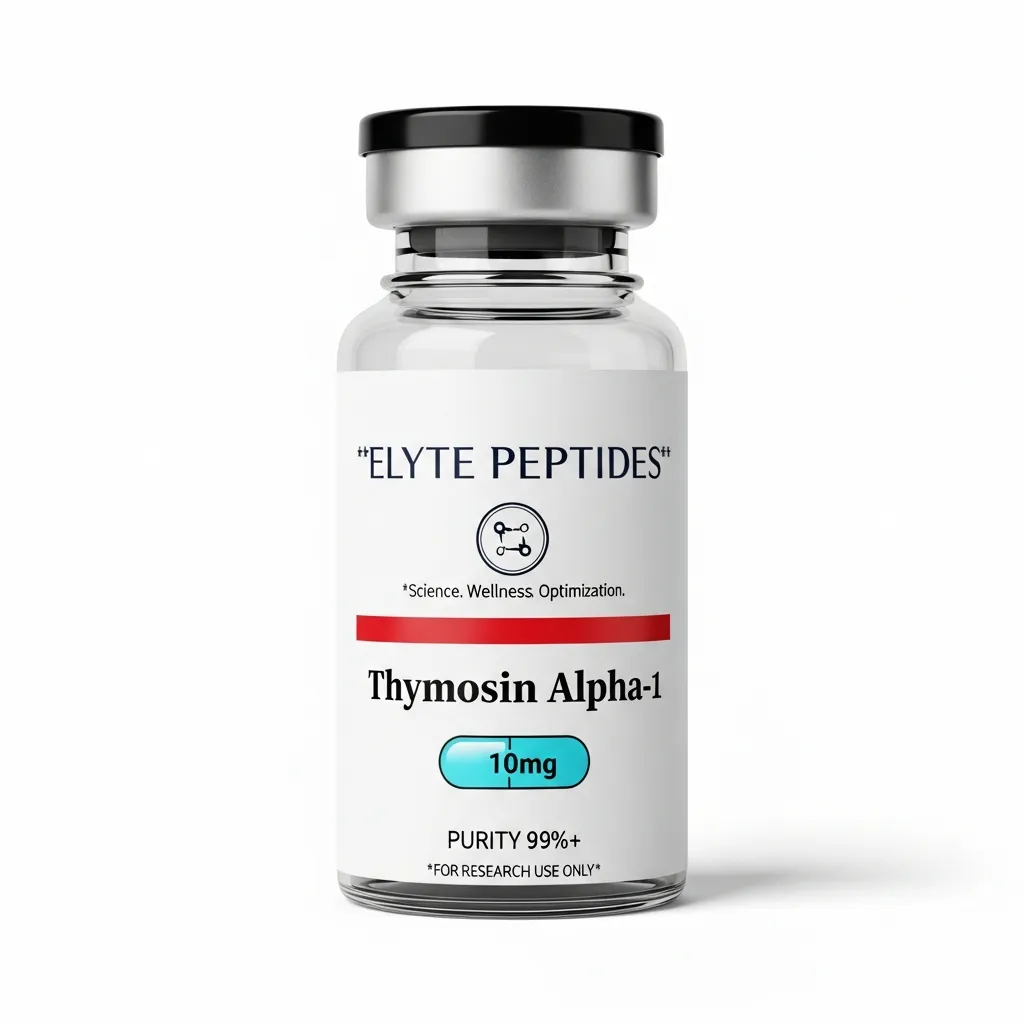
Thymosin Alpha-1
Natural immune regulator for T-cell maturation and infection research.
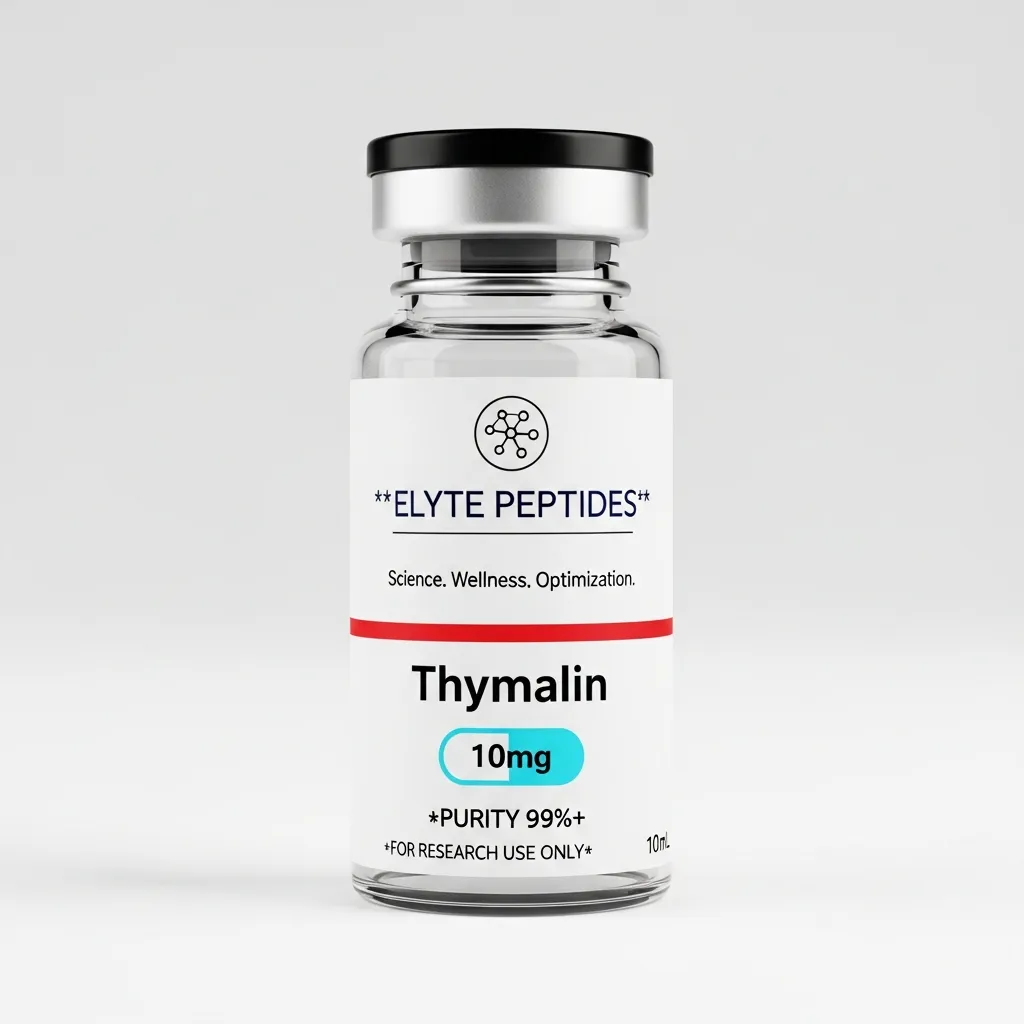
Thymalin
Thymus-derived polypeptide for immune regulation research.
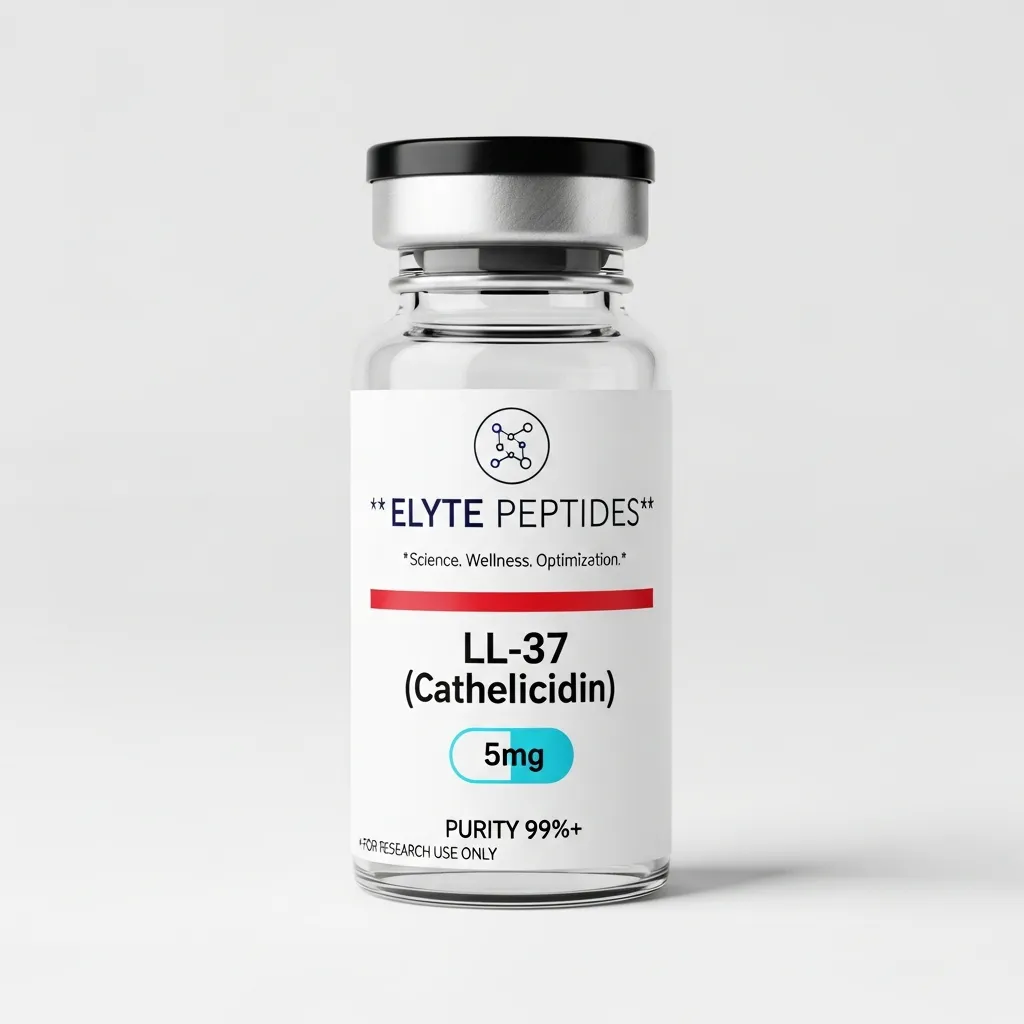
LL-37 (Cathelicidin)
Cationic antimicrobial peptide for immune and wound healing research.
Research Use Only. This product is not intended for human consumption, therapeutic use, or diagnostic purposes. All peptides sold by Elyte Peptides are strictly for in-vitro research and laboratory use. By purchasing, you agree to use this product in compliance with all applicable laws and regulations.