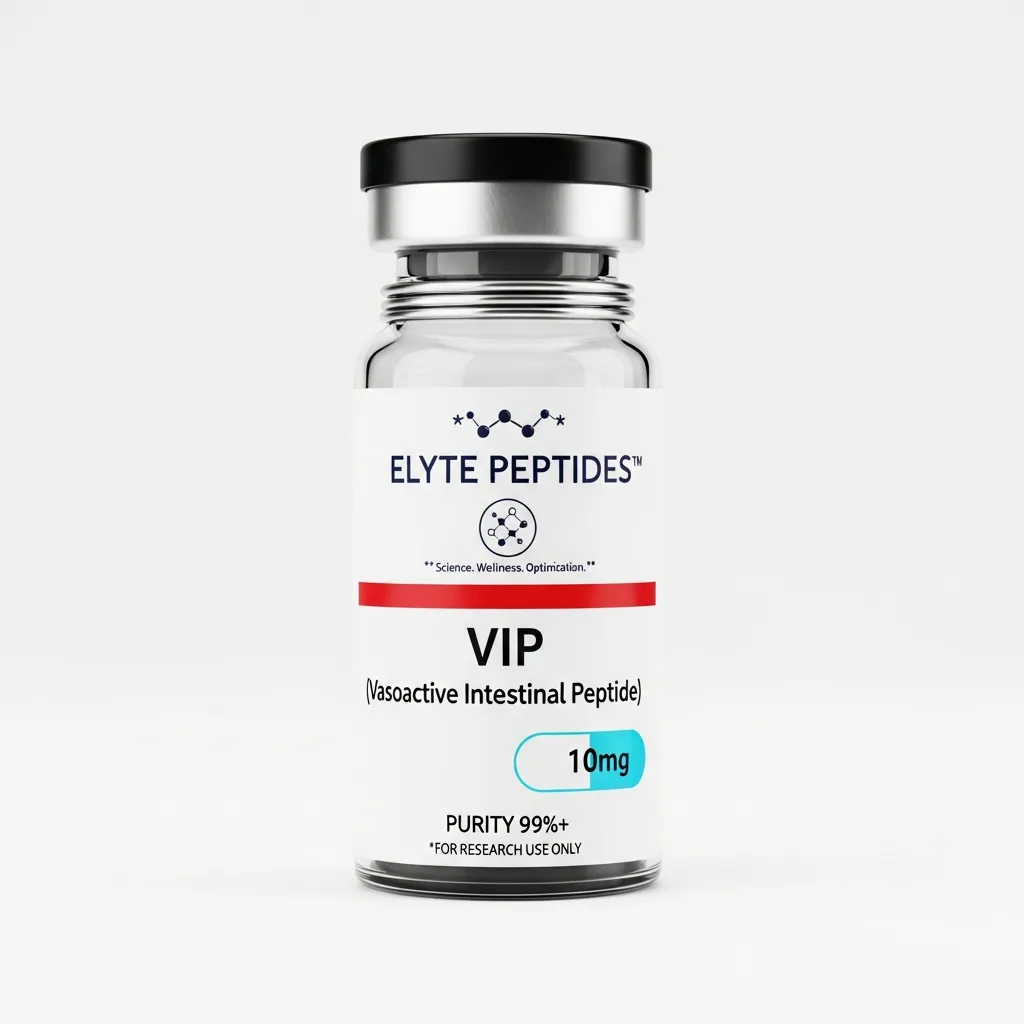
VIP (Vasoactive Intestinal Peptide)
Neuropeptide for cognitive focus and neuroprotection research.
Description
Neuropeptide for cognitive focus and neuroprotection research.
VIP (Vasoactive Intestinal Peptide) is a 28-amino acid neuropeptide belonging to the secretin/glucagon superfamily, originally isolated from porcine duodenum by Said and Mutt in 1970. VIP signals through two G-protein coupled receptors, VPAC1 and VPAC2, both of which activate adenylyl cyclase to elevate intracellular cAMP. Widely distributed throughout the central and peripheral nervous systems, VIP functions as a neurotransmitter and neuromodulator with roles in vasodilation, smooth muscle relaxation, exocrine secretion, circadian rhythm regulation, and neuroprotection. Research by Delgado et al. (2004) in Pharmacological Reviews comprehensively characterized VIP's anti-inflammatory properties, demonstrating suppression of TNF-alpha, IL-6, and IL-12 in activated macrophages while upregulating the anti-inflammatory cytokine IL-10. Studies published in the Journal of Neuroscience by Bhatt et al. showed that VIP protected hippocampal neurons from excitotoxic and oxidative damage through VPAC2-mediated cAMP/PKA signaling. Abad et al. in Annals of the New York Academy of Sciences reported that VIP administration ameliorated experimental autoimmune encephalomyelitis in murine models, suggesting therapeutic potential in neuroinflammatory conditions. Additional research has shown VIP regulates the suprachiasmatic nucleus master clock, influencing circadian output. Compared to PACAP (Pituitary Adenylate Cyclase-Activating Polypeptide), which shares significant structural homology and receptor overlap, VIP has higher selectivity for VPAC receptors and lower affinity for PAC1 receptors. This makes VIP preferred for research specifically targeting VPAC-mediated pathways rather than the broader PAC1-dependent neuroprotective signaling. VIP is sensitive to degradation. Store lyophilized at -20°C. Reconstitute with bacteriostatic water and store at 2-8°C, using within 2-3 weeks. Studied by neuroscientists, immunologists, chronobiologists, and pulmonary researchers investigating airway smooth muscle regulation.
This product is supplied as a lyophilized powder and is intended for laboratory and research use only. Not for human consumption. Each vial contains 10mg of research-grade material.
Research Applications
- Cognitive focus and neuroprotection
- Vasodilation and blood flow
- Immune modulation studies
- Circadian rhythm regulation
Specifications
- Size
- 10mg
- Purity
- ≥98% (HPLC)
- Form
- Lyophilized Powder
Storage & Handling
- Long-term storage: -20°C in a sealed, light-protected container
- Short-term storage: 2-8°C (refrigerated) for up to 30 days
- Reconstituted: Store at 2-8°C and use within 30 days
- Avoid: Repeated freeze-thaw cycles, direct sunlight, and moisture exposure
- Reconstitution: Use bacteriostatic water or sterile water for injection
Frequently Asked Questions
What is VIP (Vasoactive Intestinal Peptide) and how does it work?
What research has been done on VIP?
How does VIP compare to Semax for neuroprotection?
What is the recommended reconstitution protocol for VIP?
What purity testing is performed on VIP?
Related Products
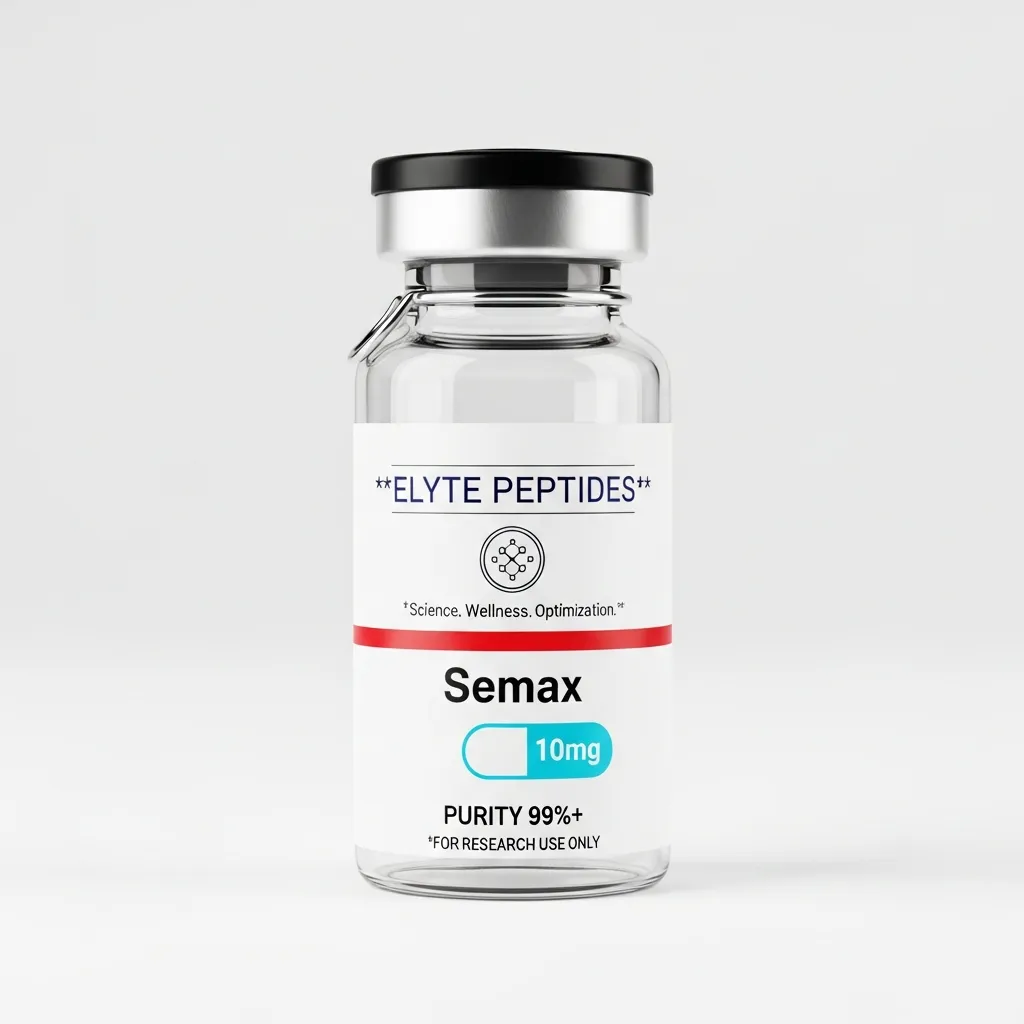
Semax
Synthetic ACTH analogue for cognitive enhancement and neuroprotection research.
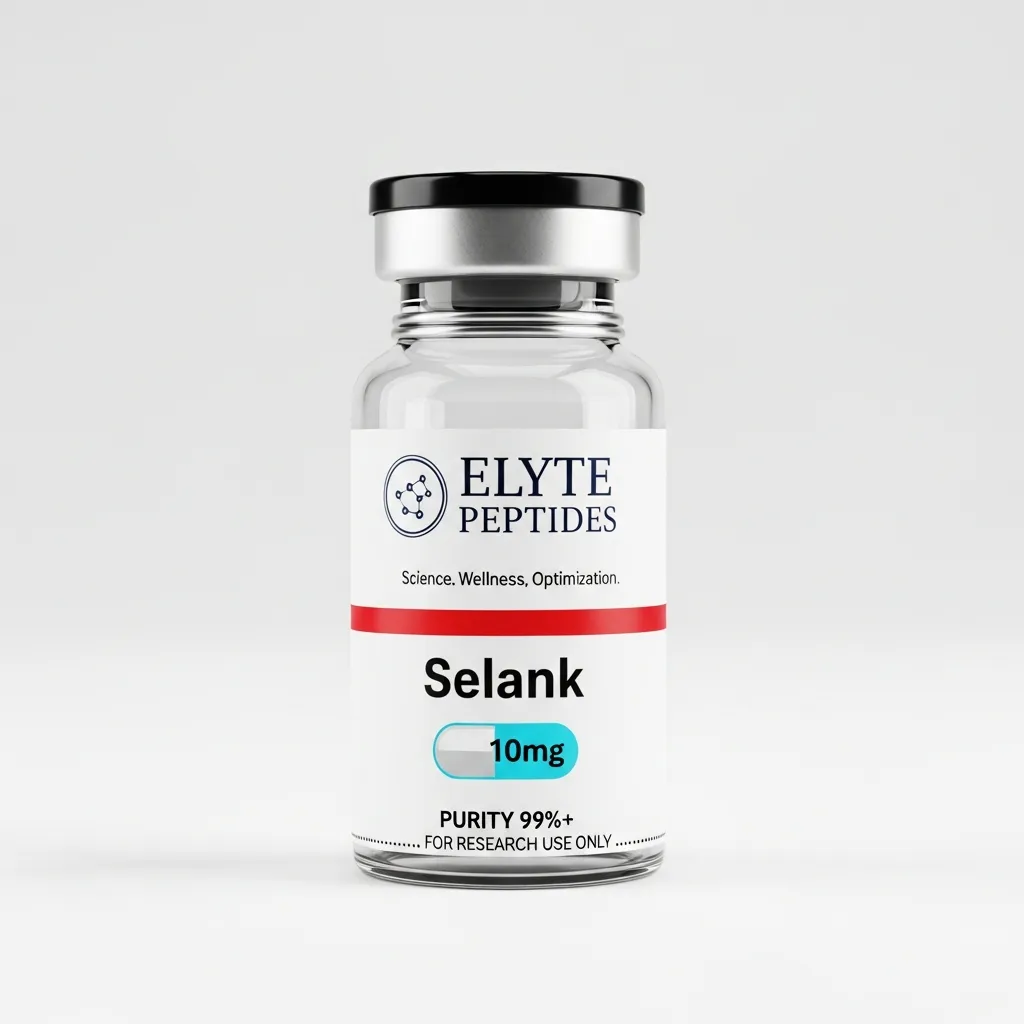
Selank
Synthetic tuftsin analogue for anxiety and cognitive function research.
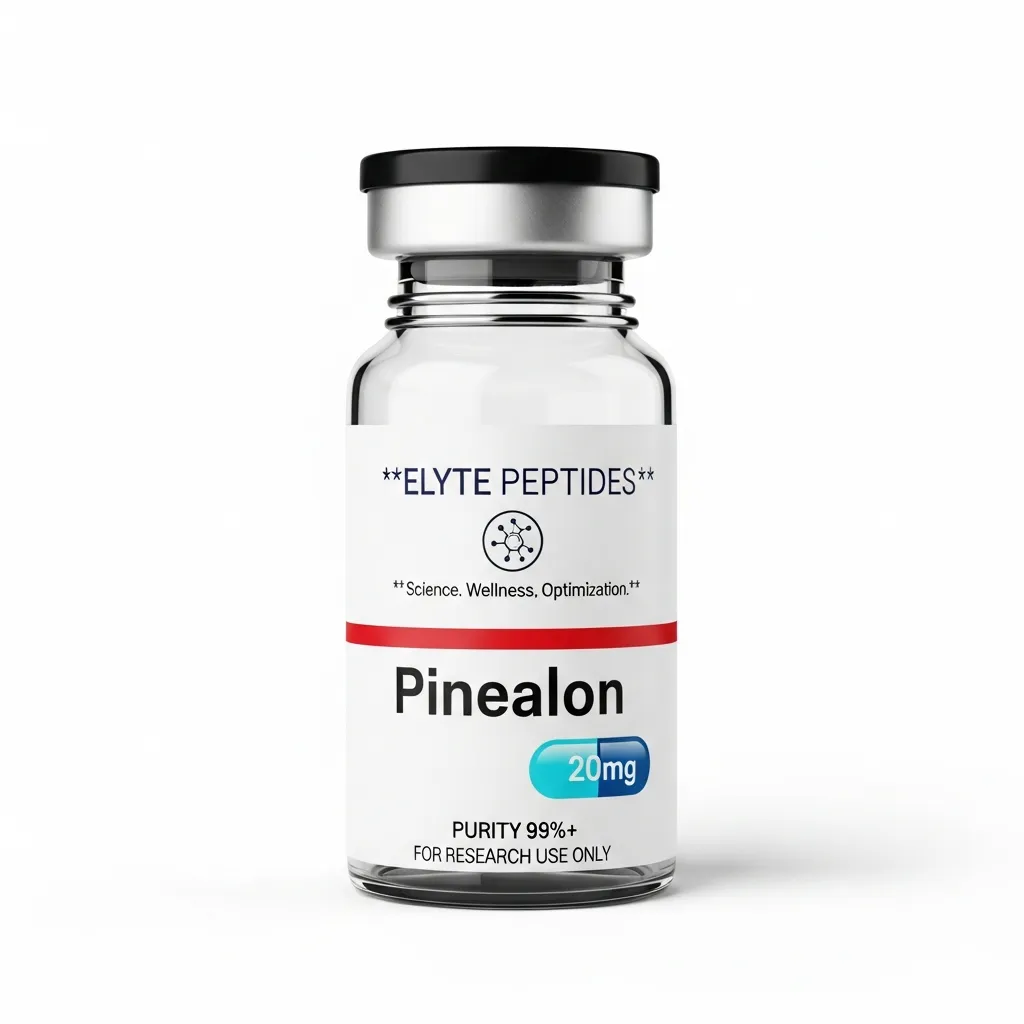
Pinealon
Synthetic tripeptide bioregulator for neuroprotection and circadian research.
Research Use Only. This product is not intended for human consumption, therapeutic use, or diagnostic purposes. All peptides sold by Elyte Peptides are strictly for in-vitro research and laboratory use. By purchasing, you agree to use this product in compliance with all applicable laws and regulations.