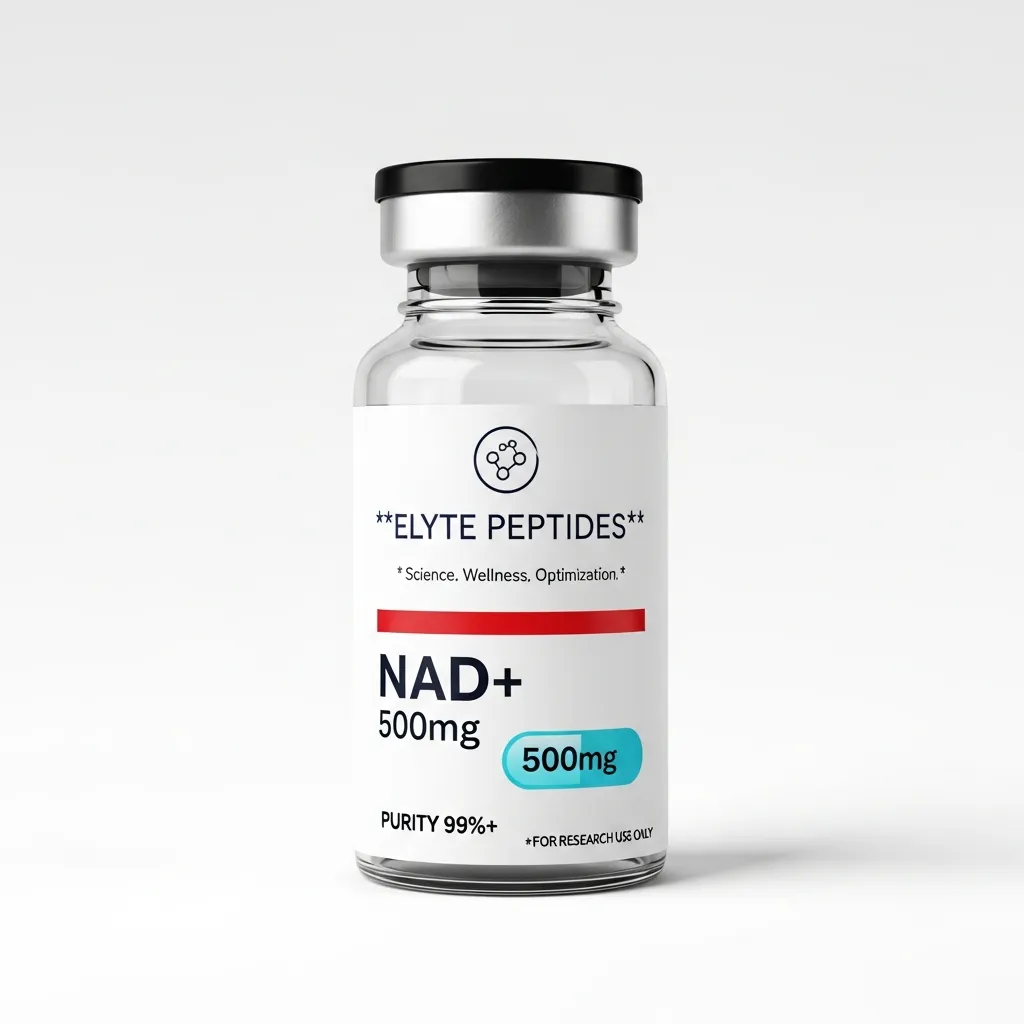
NAD+
Essential coenzyme for energy production and DNA repair research.
Description
Essential coenzyme for energy production and DNA repair research.
NAD+ (Nicotinamide Adenine Dinucleotide) is an essential coenzyme present in every living cell, serving as a critical electron carrier in metabolic redox reactions including glycolysis, the citric acid cycle, and oxidative phosphorylation. Beyond energy metabolism, NAD+ functions as a substrate for sirtuins (SIRT1-7), poly(ADP-ribose) polymerases (PARPs) involved in DNA repair, and CD38/CD157 ectoenzymes involved in calcium signaling. NAD+ levels decline significantly with age, and this decline has been implicated as a driver of metabolic dysfunction and cellular senescence. Seminal research by Imai and Guarente (2014) in Trends in Cell Biology established the NAD+ depletion theory of aging, demonstrating that declining NAD+ levels impair sirtuin activity and mitochondrial function. Studies by Yoshino et al. (2011) in Cell Metabolism showed that NAD+ precursor supplementation restored metabolic function in aged and diet-induced obese mice. Research in Science by Li et al. demonstrated that NAD+ repletion improved muscle stem cell function and extended lifespan in aged murine models through SIRT1-dependent mechanisms. This 500mg formulation provides a direct NAD+ supply for research applications. Compared to precursors like NMN (Nicotinamide Mononucleotide) and NR (Nicotinamide Riboside), which require enzymatic conversion, direct NAD+ bypasses biosynthetic pathway bottlenecks, though its larger molecular size presents different cellular uptake considerations. Each approach offers distinct advantages depending on the research model. Store lyophilized NAD+ at -20°C, protected from light and moisture, as it is hygroscopic. Reconstitute with bacteriostatic water and store at 2-8°C, using within 2-3 weeks, as NAD+ is susceptible to hydrolytic degradation in solution. NAD+ is studied by aging researchers, metabolic scientists, DNA repair biologists, and mitochondrial function specialists.
This product is supplied as a lyophilized powder and is intended for laboratory and research use only. Not for human consumption. Each vial contains 500mg of research-grade material.
Read the full NAD+ research guideResearch Applications
- Aging and metabolic health studies
- Neurodegenerative disease research
- DNA repair and ischemic stress
- Liver, kidney, and cardiac function
Specifications
- Size
- 500mg
- Purity
- ≥98% (HPLC)
- Form
- Lyophilized Powder
- Molecular Formula
- C21H27N7O14P2
- Molecular Weight
- 663.43 g/mol
Storage & Handling
- Long-term storage: -20°C in a sealed, light-protected container
- Short-term storage: 2-8°C (refrigerated) for up to 30 days
- Reconstituted: Store at 2-8°C and use within 30 days
- Avoid: Repeated freeze-thaw cycles, direct sunlight, and moisture exposure
- Reconstitution: Use bacteriostatic water or sterile water for injection
Frequently Asked Questions
What is NAD+ and how does it work?
What research has been done on NAD+?
How does NAD+ 500mg compare to NMN or NR supplementation?
How is NAD+ reconstituted for laboratory research?
Related Products
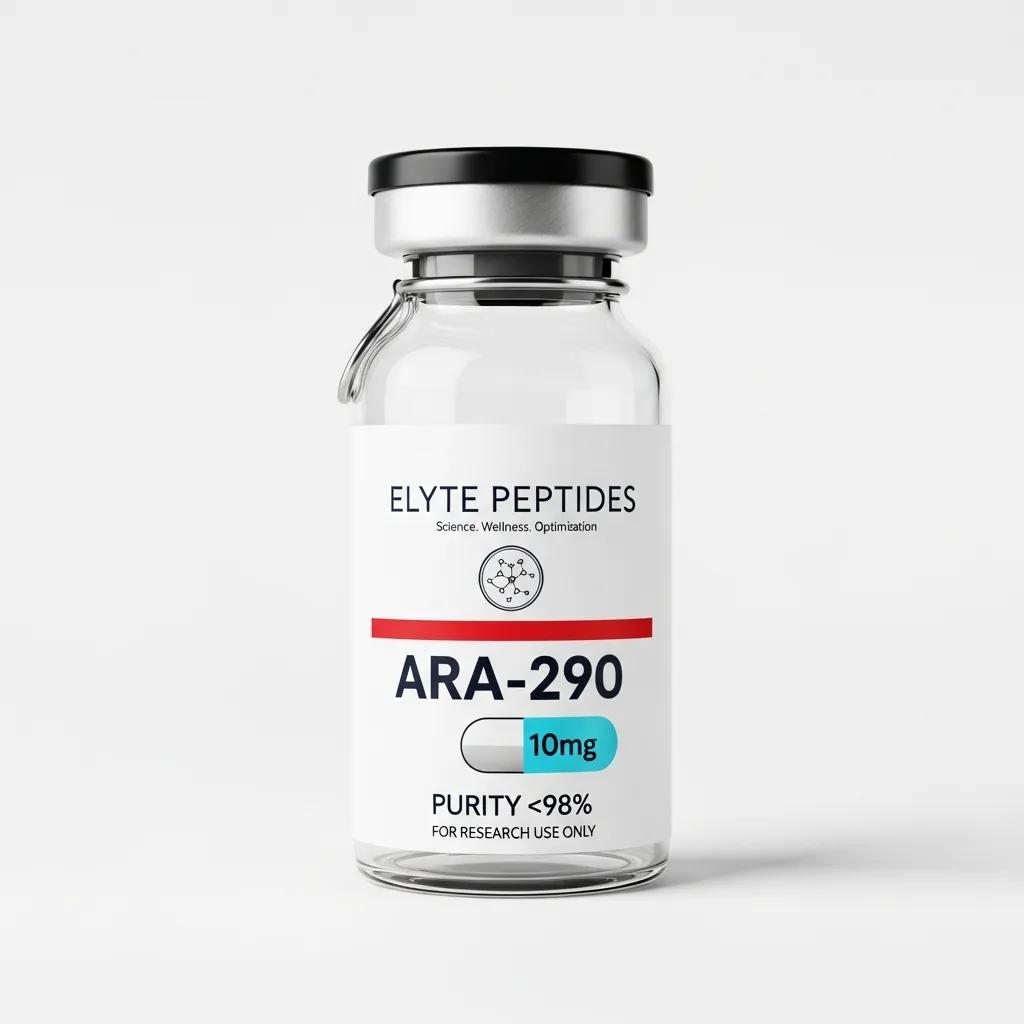
ARA-290
Cibinetide (ARA-290) is an 11-amino-acid erythropoietin-derived peptide studied for tissue-protective and anti-inflammatory signaling. For laboratory research use only.
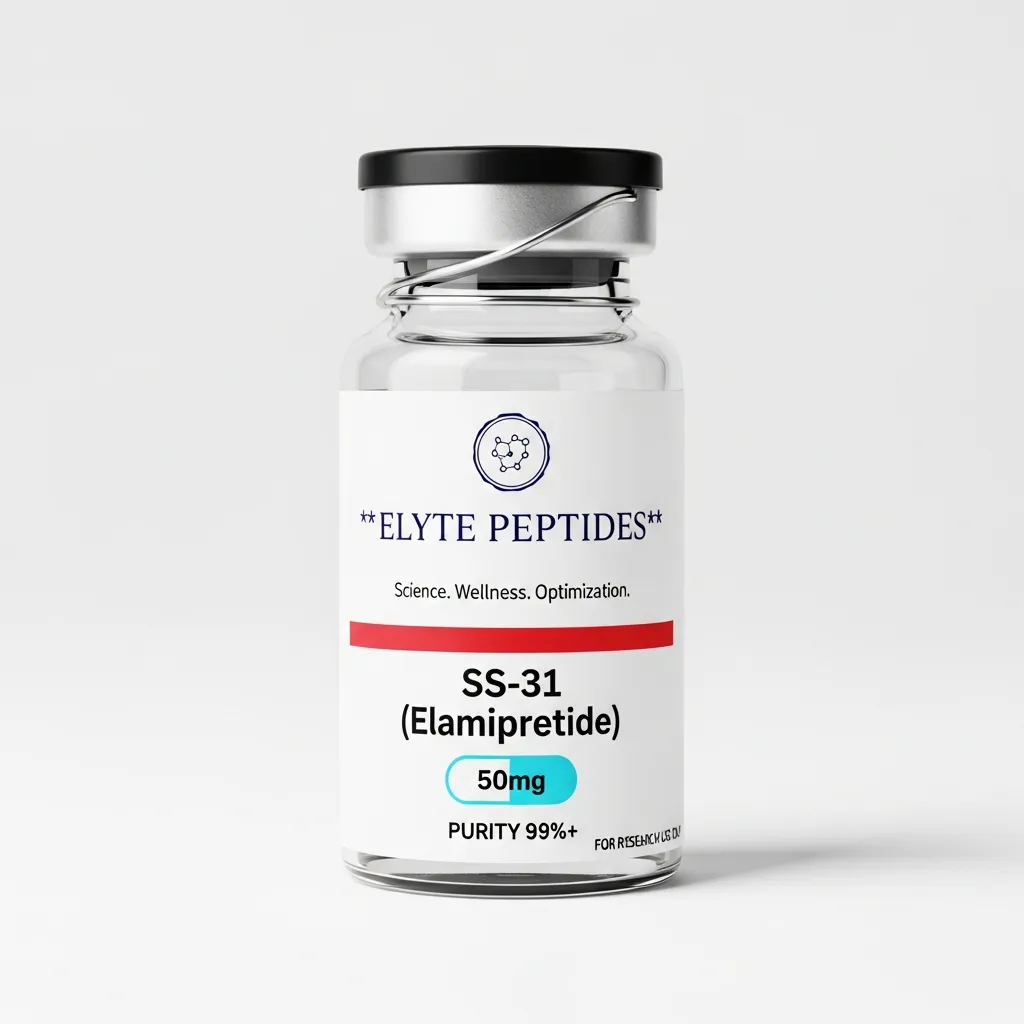
SS-31
Cell-permeable peptide for mitochondrial function and cardiolipin stabilization research.
NAD+
Essential coenzyme for energy production and DNA repair research.
Research Use Only. This product is not intended for human consumption, therapeutic use, or diagnostic purposes. All peptides sold by Elyte Peptides are strictly for in-vitro research and laboratory use. By purchasing, you agree to use this product in compliance with all applicable laws and regulations.